1. Getting Started with Cricut for Beginners
Embarking on your Cricut journey can be both exciting and daunting, especially if you're a beginner. With endless possibilities for creativity at your fingertips, it's crucial to understand the basics of operating your Cricut machine and the tools you'll need to get started. In this guide, we will break down the essential steps to help you navigate your new crafting adventure. Whether you're looking to make custom decals, cards, or home decor, this comprehensive resource will give you all the insights you need. When exploring options, Cricut for beginners provides comprehensive insights into starting your crafting projects successfully.
1.1 What is a Cricut Machine?
A Cricut machine is a versatile cutting tool designed for crafting enthusiasts. It allows users to cut a variety of materials, including paper, vinyl, fabric, and more, to create custom designs and projects. The machine operates through a software called Cricut Design Space, which enables you to select designs, adjust dimensions, and customize your projects before cutting them out. Whether you're making intricate paper flowers or personalized vinyl stickers, a Cricut machine can simplify the process and elevate your crafting skills.
1.2 Key Features of Cricut Machines
Understanding the key features of Cricut machines can help you choose the right model for your needs. Here are some essential features to consider:
- Cutting Capability: Cricut machines can cut various materials including cardstock, vinyl, iron-on, and fabric.
- Smart Technology: Some models, like the Cricut Maker and Maker 3, use smart cutting technology that can precisely cut intricate designs.
- Writing and Drawing: Many Cricut machines come with pens that allow for writing and drawing along with cutting, making them versatile for all types of projects.
- Easy Design Space Integration: The user-friendly Cricut Design Space software allows for easy design creation and editing, making it accessible for beginners.
1.3 Choosing the Right Cricut Model for Beginners
When selecting a Cricut machine, consider your crafting goals and the types of projects you wish to create. The Cricut Explore Air 2 is a popular choice for beginners due to its balance of capabilities and user-friendliness, suitable for most crafting projects. If you're interested in more advanced materials like leather or fabric, the Cricut Maker offers additional features and tools. It's essential to assess your needs before making a decision to ensure you invest in a machine that fits your crafting style.
2. Essential Tools and Materials for Cricut Users
In addition to a Cricut machine, having the right tools and materials can significantly enhance your crafting experience. Here are the essentials you’ll need to set up your workspace effectively:
2.1 Must-Have Cricut Accessories
Every Cricut user should invest in a few basic accessories to maximize their crafting potential. These include:
- Cricut Mat: A cutting mat is necessary for holding your materials in place while cutting.
- Weeding Tools: These tools help remove excess material from your designs after cutting, essential for vinyl and intricate projects.
- Scissors: A good pair of scissors is invaluable for trimming materials as needed.
- Scraper and Spatula: Useful for smoothing out materials on your mat and lifting finished cuts off the mat.
2.2 Different Types of Materials to Use
The Cricut machine is compatible with a wide range of materials. Here are some popular options for beginners:
- Cardstock: Ideal for making cards and paper crafts.
- Vinyl: Perfect for creating stickers, decals, and home decor.
- Iron-on: Great for customizing clothing and fabric items.
- Fabric: If you’re looking to make fabric crafts, the Cricut Maker works exceptionally well with fabric.
2.3 Setting Up Your Cricut Workspace
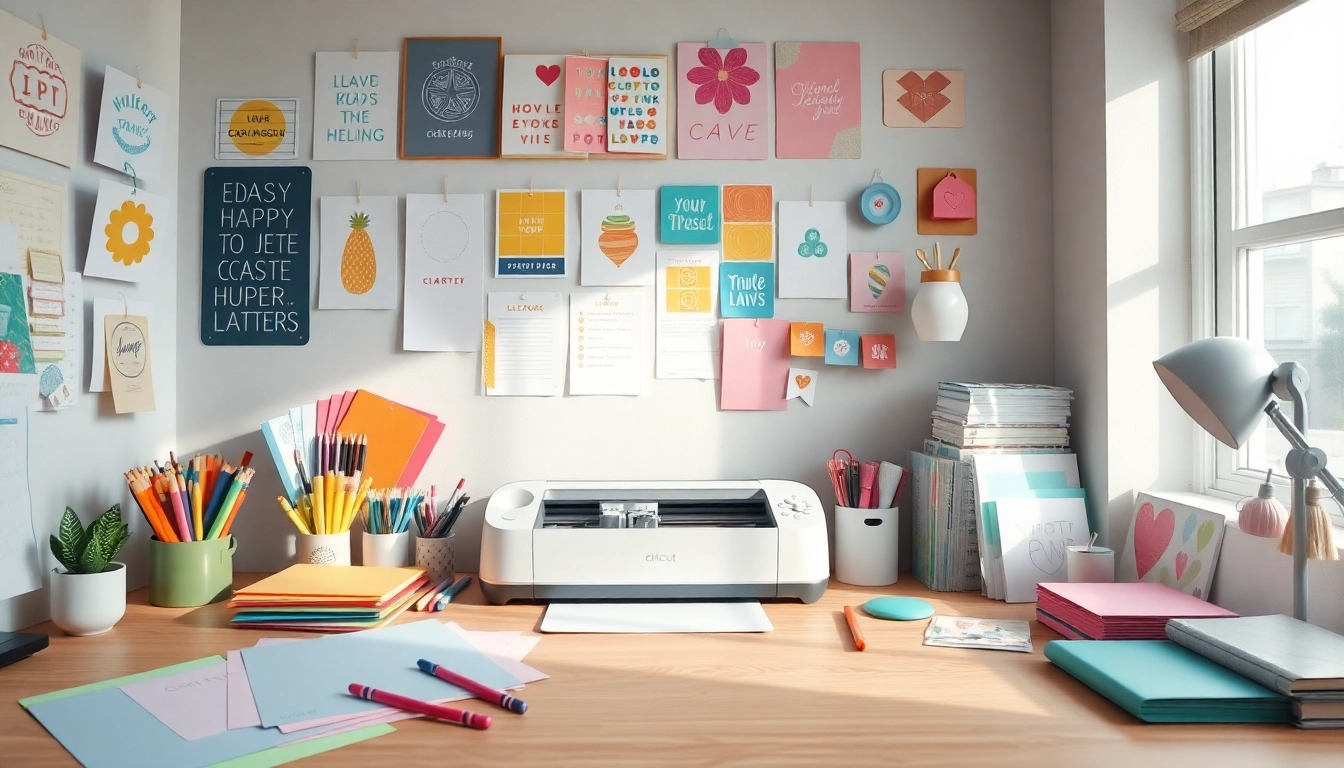
Creating a functional workspace is vital for a smooth crafting experience. Ensure your workspace is well-lit, organized, and equipped with all necessary supplies within easy reach. Consider having a dedicated table for your Cricut machine, complete with storage for your materials and tools. A clean, organized space can inspire creativity and make the crafting process more enjoyable.
3. Step-by-Step Guide to Your First Project
Now that you're set up and have your materials ready, let's go through a step-by-step guide to executing your first Cricut project successfully.
3.1 Preparing Your Design in Cricut Design Space
The first step in creating your project is to design it in Cricut Design Space. Start by choosing a pre-existing template or create a custom design by importing images or shapes. Adjust your design's size and orientation before proceeding. Users can also make use of the extensive library of images and fonts available in Design Space to craft unique projects.
3.2 Cutting and Weeding Your Materials
Once your design is ready, the next step is to cut your materials. Place your chosen material on the cutting mat, ensuring it adheres well to avoid movement during cutting. Load the mat into the Cricut machine and select the appropriate material settings in Design Space. After cutting, use your weeding tools to remove the unwanted material carefully.
3.3 Assembling Your Finished Project
With your design cut and weeded, it’s time to assemble your project. This may involve layering different materials, adhering pieces together, or applying your design to another surface. Follow any additional instructions based on your specific project type, and don’t hesitate to get creative when assembling your work!
4. Common Challenges Faced by Beginners and Solutions
Every beginner faces challenges when starting out. Here are some common issues and tips to overcome them:
4.1 Troubleshooting Cricut Cuts and Designs
If your cuts aren’t coming out as expected, first check the blade’s condition. A dull blade can lead to poor cuts. Additionally, ensure you are using the correct material settings and that your materials are properly secured on the mat. Finally, double-check your design in Cricut Design Space to ensure everything looks correct before cutting.
4.2 Understanding Vinyl vs. Paper Projects
Vinyl and paper projects behave differently and require different techniques. For instance, vinyl projects often involve a layering process with transfer tape, while paper projects may require careful folding and gluing. Take time to learn the nuances of each material to improve your craft accuracy and outcomes.
4.3 Tips for Maintaining Your Cricut Machine
To keep your Cricut machine functioning optimally, regular maintenance is essential. Keep the machine clean by removing dust and debris after each use. Periodically check and change blades as necessary, and ensure that the software is updated to the latest version for best performance. Following these practices will extend the life of your machine and enhance your crafting experience.
5. Future Trends in Cricut Crafting for 2026
As the crafting world evolves, it's fascinating to explore upcoming trends related to Cricut machines. Staying informed will help you make the most of your crafting endeavors.
5.1 New Materials and Techniques to Explore
Emerging trends include the use of new materials such as biodegradable vinyl and innovative adhesive products that enhance both the environment and the longevity of your projects. Additionally, techniques such as layering with mixed media can provide fresh ideas for your Cricut designs.
5.2 How Technology is Evolving Cricut Crafts
As technology continues to advance, expect more integration with artificial intelligence and automation in the crafting process. This evolution can lead to smart project recommendations and easier design modifications, making crafting activities even more accessible for beginners.
5.3 Community and Resources for Continuous Learning
The Cricut community is vast and welcoming. Online forums, social media groups, and local crafting clubs provide incredible resources for learning and sharing ideas. Engaging with these communities can offer continual inspiration and support as you further develop your crafting skills.