
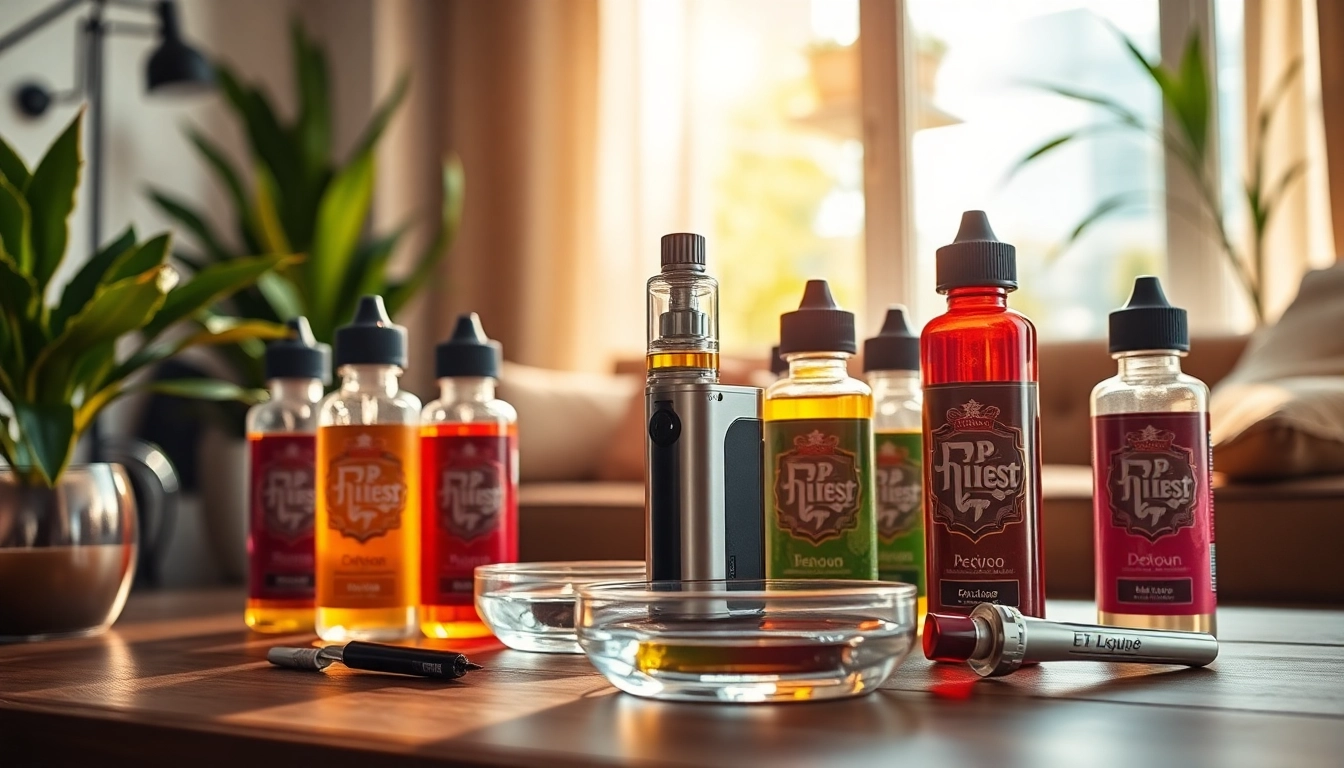
Understanding Vape & E-Liquids
Definition and Composition of Vape & E-Liquids
Vape & E-Liquids are substances used in vaping devices to produce vapor that can be inhaled. Comprised primarily of a base, which often includes propylene glycol (PG) and vegetable glycerin (VG), these liquids may contain nicotine, flavorings, and other additives. The common formulation typically consists of a 70/30 or 50/50 mix of PG and VG, which determines the vapor density and throat hit experienced by users. PG is known for exhibiting a throat hit akin to traditional tobacco smoking, while VG provides a smoother inhale with more vapor production. Combined, they create a unique vaping experience, offering users a versatile medium to explore various flavors and nicotine strengths.
Types of Vape & E-Liquids Available
There is a broad spectrum of available Vape & E-Liquids, catering to diverse preferences and vaping styles. Primarily, they can be categorized into:
- Nicotine E-Liquids: Containing varying nicotine levels, typically ranging from 0mg to 24mg or more, to accommodate users' cravings.
- Nicotine Salt E-Liquids: A smoother alternative that uses nicotine salts rather than freebase nicotine, allowing for higher nicotine concentration without harshness.
- CBD E-Liquids: Formulated with CBD (cannabidiol), these liquids provide the benefits of CBD without the psychoactive effects of THC.
- THC E-Liquids: Often used in legal regions, these contain tetrahydrocannabinol, offering psychoactive effects similar to smoking marijuana.
- Flavor-Infused E-Liquids: Infused with a myriad of flavor profiles, from fruits and desserts to traditional tobacco tastes, appealing to a wide audience.
Popular Flavor Profiles in Vape & E-Liquids
The variety of flavors available in Vape & E-Liquids is astonishing and plays a pivotal role in attracting users. Popular profiles include:
- Fruit Flavors: These are often the top choice, with staple options such as strawberry, watermelon, and mixed berries.
- Dessert Flavors: Providing a sweet vaping experience, options like vanilla custard, chocolate cake, and caramel stand out.
- Mint and Menthol: Offering a cool sensation, these flavors are popular among former smokers looking for a refreshing alternative.
- Tobacco Varieties: Ranging from classic cigarette to rich cigar flavors, these resonate with traditional smokers transitioning to vaping.
- Specialty Blends: Unique combinations such as green apple candy, cola, and even cocktail-inspired blends have gained traction.
Choosing the Right Vape & E-Liquids for You
Factors to Consider When Selecting Vape & E-Liquids
Choosing the right Vape & E-Liquids requires careful consideration of various factors that can significantly influence the overall vaping experience:
- Nicotine Content: Assess personal cravings and select an appropriate nicotine strength that aligns with your previous smoking habits or preferences.
- Flavor Preference: Explore different flavors to find the ones that appeal to your taste buds the most; variety also prevents monotony.
- Device Compatibility: Ensure that the chosen e-liquid is compatible with your vaping device; some may not perform well with specific tanks or coils.
- VG/PG Ratio: Depending on the desired vapor production and throat hit, select a ratio that suits your preference—high VG for dense clouds and high PG for throat hit.
- Brand Reputation: It’s crucial to choose reputable brands known for quality control and consistent product testing.
Finding Your Preferred Nicotine Strength
Many users find themselves uncertain about which nicotine strength best suits their needs when exploring Vape & E-Liquids. Here’s a simple guide:
- No Nicotine (0mg): Ideal for those who enjoy the act of vaping without the desire for nicotine.
- Low Nicotine (3-6mg): Suitable for light smokers or those looking to reduce their nicotine intake.
- Medium Nicotine (12mg): This is often the best choice for former light to medium smokers.
- High Nicotine (18-24mg): Targets heavy smokers, fulfilling the need for a substantial nicotine hit.
Evaluating and Comparing Brand Options
Vaping has diversified greatly, resulting in an extensive array of brands and products. To evaluate and compare different options, consider these aspects:
- Ingredient Transparency: Brands should provide details about ingredients, sourcing, and manufacturing processes to ensure safety and quality.
- User Reviews: Customer feedback can offer insights into flavor accuracy and overall satisfaction.
- Third-Party Testing: Brands that undergo rigorous testing for purity and quality assurance stand out in the crowded market.
- Variety of Options: A brand offering a wide range of flavors and strengths may better cater to personal preferences.
- Price Point: While cheaper options may appeal, assessing value based on quality is critical for a long-term investment.
Best Practices for Using Vape & E-Liquids
Proper Storage and Handling of Vape & E-Liquids
To ensure longevity and maintain the integrity of Vape & E-Liquids, it’s essential to adhere to proper storage and handling practices:
- Cool and Dark Environment: Store e-liquids away from direct sunlight and extreme temperatures, preferably in a dark cupboard.
- Tightly Sealed Containers: Ensure that bottles are securely closed to prevent leaks or contamination.
- Keep Out of Reach: Always store e-liquids out of reach of children and pets, and consider using child-resistant packaging.
- Expiration Dates: Regularly check the expiration dates of e-liquids and discard any that have expired to ensure safety.
Common Mistakes to Avoid When Vaping
To enhance the vaping experience and ensure safe usage, it’s vital to be aware of common mistakes:
- Ignoring Device Maintenance: Regularly clean your device and replace coils according to the manufacturer’s guidelines to prolong its life and performance.
- Overfilling Tanks: Overfilling can lead to leakage or flooding, affecting performance and experience. Always follow your device’s specifications.
- Choosing the Wrong E-Liquid for Your Device: Ensure compatibility; using higher VG e-liquids in devices requiring higher PG can hinder vapor production.
- Vaping Too Frequently: Moderation is key; excessive vaping can lead to taste fatigue or throat irritation.
How to Clean and Maintain Your Vape Device
Regular cleaning and maintenance of your vaping device ensure optimal functionality. Here are practical steps:
- Disassemble: Remove the tank from your device and unscrew the coils.
- Wash Components: Use warm water to wash the tank and mouthpiece; you may add a mild soap solution for thorough cleaning.
- Dry Completely: Allow all components to dry fully before reassembling to prevent dilution of your e-liquids.
- Replace Coils Regularly: Replace your coils according to your usage frequency, ideally every 1-2 weeks.
Health Considerations Related to Vape & E-Liquids
Understanding the Risks of Vaping
While vaping is often perceived as a safer alternative to smoking, understanding the potential risks is crucial. Current research has indicated:
- Nicotine Addiction: The nicotine content in e-liquids can lead to addiction, especially in individuals who are not already smokers.
- Respiratory Issues: Some users may experience respiratory conditions related to inhaling vaporized substances.
- Cardiovascular Concerns: Studies suggest potential impacts on heart health; however, more research is needed for conclusive evidence.
Research on the Effects of Vape & E-Liquids
Studies investigating the long-term effects of vaping have produced mixed results. Research indicates that:
- Less Harmful than Combustible Cigarettes: Vaping is generally considered less harmful than traditional smoking, with fewer toxic chemicals produced during combustion.
- Flavoring Additives: Some flavorings, when heated, can produce potentially harmful compounds; this necessitates extensive research into specific flavorings used.
- Influence on Young People: There is concern that flavored e-liquids may attract younger audiences, potentially leading to nicotine dependency or switching to traditional cigarettes.
Alternatives to Traditional Smoking with Vape & E-Liquids
For smokers looking to transition to safer alternatives, e-liquids provide an appealing option due to:
- Reduced Harm: Many users find that switching to vaping alleviates the harmful effects associated with combustible tobacco.
- Control Over Consumption: E-liquids allow individuals to control their nicotine intake and gradually reduce it if desired.
- Variety of Experiences: With a vast array of flavors and types of e-liquids available, individuals can find a preferred method that satisfies their cravings without returning to smoking.
Future Trends in Vape & E-Liquids
Innovations in Flavor Development
The vaping industry continues to evolve, particularly in flavor development. Anticipated trends include:
- Natural Ingredients: A movement toward using organic and all-natural flavoring agents to attract health-conscious consumers.
- Customization: Some brands may introduce DIY kits to enable users to create personalized flavors, enhancing engagement.
- Regional Flavors: The incorporation of local or traditional flavors may become popularized, catering to specific demographics.
Shift in Consumer Preferences and Market Dynamics
As awareness of health impacts grows, consumer preferences may shift towards:
- Higher Quality Products: Users will likely gravitate towards reputable brands that emphasize quality and testing.
- Health-Conscious Options: Increasing demand for low-nicotine or nicotine-free products may shape future market offerings.
- Disposables and Simplified Devices: A trend toward easy-to-use disposable devices may rise, especially among casual users.
The Role of Legislation on Vape & E-Liquids
Regulatory frameworks related to vaping will play a significant role in industry trajectories, which may include:
- Flavor Bans: Potential prohibitions on flavored e-liquids could reshape market offerings, impacting preferences.
- Labeling Requirements: Clear labeling of ingredients and health warnings may become mandatory, influencing consumer awareness.
- Age Restrictions: Stricter age verification requirements could become commonplace, limiting access for minors and regulating usage.