
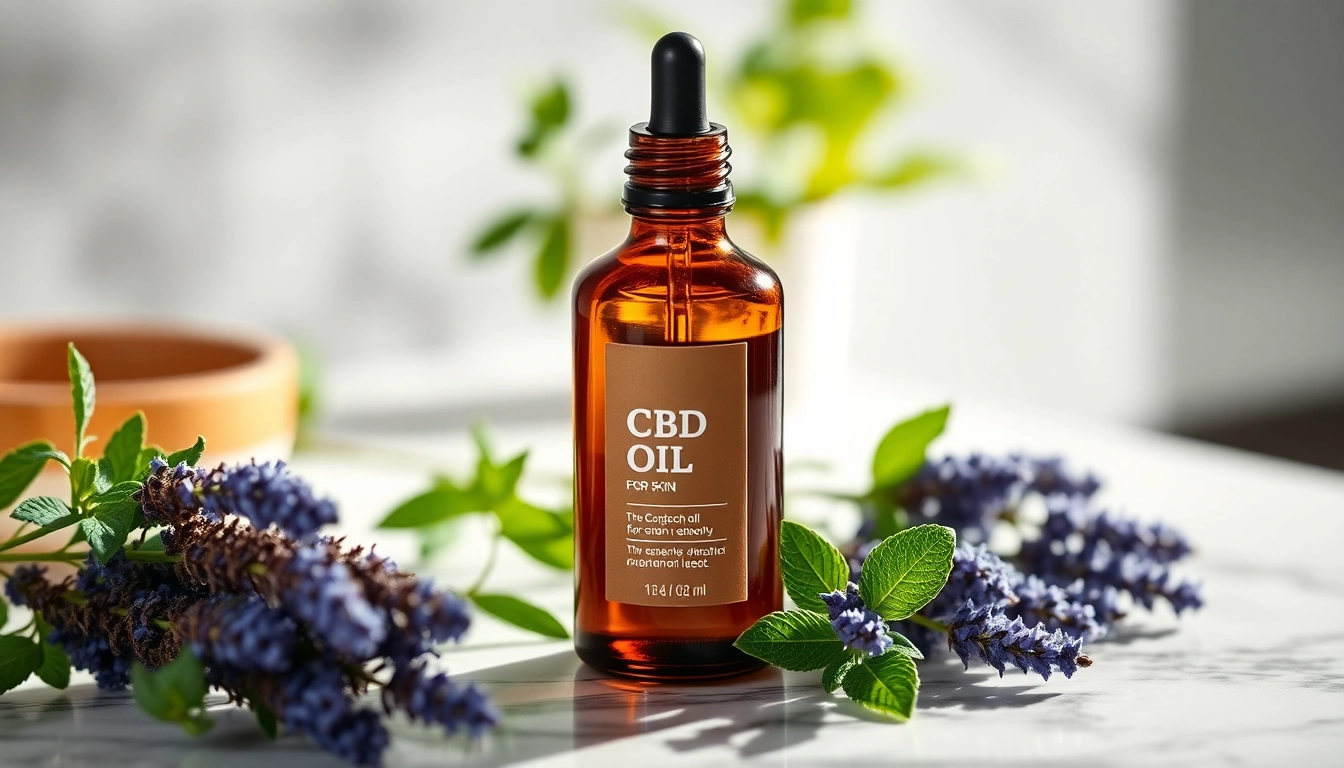
Understanding CBD Oil for Skin
As the interest in skincare innovations continues to grow, one ingredient has emerged prominently: CBD oil. Extracted from the cannabis plant, CBD, or cannabidiol, boasts numerous potential health benefits. It's not just a popular product for topical use; many people are curious about CBD oil for skin and how it can improve their complexion. This article delves into what CBD oil is, its benefits for skin health, possible side effects, and recommendations to consider when incorporating it into your skincare routine.
What is CBD Oil?
CBD oil is a natural oil derived from the cannabis plant, particularly the hemp variety. Unlike THC (tetrahydrocannabinol), CBD is non-psychoactive, meaning it does not produce the “high” commonly associated with cannabis. The extraction process typically involves isolating CBD from the plant materials, which can then be diluted with a carrier oil, making it suitable for various applications.
Beyond its legal implications and health classifications, CBD oil contains significant compounds known for their therapeutic properties. These include cannabinoids, terpenes, and flavonoids, all of which contribute to the substance's efficacy when applied topically, particularly in skincare products.
How CBD Oil Benefits Skin Health
The incorporation of CBD oil into skincare is well-founded, given its various properties that can enhance skin health:
- Anti-inflammatory properties: CBD is renowned for its anti-inflammatory qualities that may help reduce skin irritation and redness. Conditions like acne, eczema, and rosacea can see improvement due to reduced inflammation and irritation.
- Hydration: CBD oil can improve skin hydration by contributing to the skin's moisture balance, potentially alleviating dryness and flakiness.
- Antioxidant effects: The oil contains antioxidants that help combat oxidative stress and damage caused by free radicals, potentially slowing the signs of aging.
- Balancing oil production: For those dealing with acne, CBD oil may help regulate sebum production, reducing breakouts and promoting a clearer complexion.
Potential Side Effects of CBD Oil for Skin
While CBD oil is generally considered safe for topical use, it is vital to be aware of potential side effects. Some users may experience:
- Allergic reactions: Though rare, some individuals can react negatively to topical applications. It's recommended to perform a patch test before full application.
- Skin irritation: Sensitive skin may react to certain formulations containing added ingredients with CBD oil, leading to irritation or redness.
- Inconsistent quality: Not all CBD products are created equal, and using low-quality oils may lead to adverse effects.
How to Choose the Right CBD Oil for Skin
Not all CBD oils are suitable for skincare, so knowing how to choose the right product is essential. Here are some considerations:
Types of CBD Oil Products Available
CBD oil is available in various forms ideal for skincare, including:
- Creams and lotions: These are common CBD-infused products designed for easy application and absorption.
- Serums: Typically concentrated with active ingredients, serums provide targeted treatment for specific skin concerns.
- Balms: These thicker formulations can provide intense moisture and are well suited for dry or rough patches.
Factors to Consider When Selecting CBD Oil
When choosing a product, consider the following:
- Type of CBD: Look for broad-spectrum or full-spectrum CBD oils that contain additional cannabinoids and terpenes for enhanced benefits.
- Concentration: Check the CBD percentage on the label. Higher concentrations may provide more pronounced effects.
- Formulation: Ensure that the oil combines ingredients that suit your skin type (e.g., hydrating oils for dry skin or light formulations for oily skin).
Checking for Quality and Purity
To ensure you're choosing a high-quality CBD oil, look for products that:
- Include third-party lab test results: These independent tests should verify the product's potency and purity.
- State clear ingredient lists: Avoid products that include artificial additives, fillers, or harmful chemicals.
- Source their CBD responsibly: Look for hemp that is grown organically without pesticides or herbicides.
Application Techniques for CBD Oil on Skin
Applying CBD oil correctly enhances its effectiveness. Here are some best practices:
Best Practices for Applying CBD Oil
To maximize the benefits of CBD oil, follow these application techniques:
- Cleanse your skin: Start with a clean canvas by washing your face and patting it dry.
- Use a toner: Optional, but toners can help prepare the skin to better absorb CBD oil.
- Use the right amount: Start with a pea-sized amount and adjust as necessary based on your skin type and needs.
- Massage gently: Apply the oil using gentle upward motions, allowing better absorption through the skin.
Combining CBD Oil with Other Skincare Products
For enhanced benefits, CBD oil can be integrated into a broader skincare routine:
- Layering: Apply CBD oil after water-based products (like serums) but before thicker creams to lock in moisture.
- Mixing: You can blend a few drops of CBD oil with your regular moisturizer for added hydration and therapeutic effects.
Creating a Personalized Skincare Routine
Your skincare routine should be tailored to your specific needs. Consider incorporating CBD oil into your routine based on your skin type:
- Dry skin: Layer CBD oil with a rich moisturizer to combat dryness.
- Oily skin: Use lighter formulations and apply CBD oil sparingly to avoid clogging pores.
- Sensitive skin: Opt for products with minimal added ingredients, and always patch test new products.
Scientific Evidence Supporting CBD Oil for Skin
Numerous studies highlight the potential benefits of CBD oil for skincare, showcasing its efficacy across various skin conditions:
Research Studies on CBD's Anti-inflammatory Properties
Scientific literature has established CBD's potential anti-inflammatory effects. Research has shown that CBD can inhibit inflammatory pathways in the skin, reducing the overall inflammation associated with conditions like acne and eczema. These findings reinforce the idea that CBD-infused products could provide therapeutic relief for those suffering from chronic skin conditions.
CBD Oil for Acne Management
Acne is primarily characterized by inflammation and excess oil production. Some studies suggest that CBD oil can regulate the secretion of sebum in sebocytes (oil-producing skin cells). By balancing oil production, CBD may help minimize breakouts while providing anti-inflammatory benefits that can soothe existing flare-ups.
Benefits for Eczema and Psoriasis
Conditions like eczema and psoriasis significantly benefit from CBD oil due to its potent anti-inflammatory properties. Research indicates that applying CBD to the skin may help reduce itching and inflammation, reducing the severity and frequency of flare-ups. Furthermore, preliminary studies suggest that CBD may play a role in regulating skin cell production, which could be particularly beneficial for psoriasis patients.
User Experiences and Testimonials
Real-life experiences can provide insightful information on the effectiveness of CBD oil for skin health:
Case Studies: Positive Trends With CBD Oil for Skin
Many users report significant changes after incorporating CBD oil into their skincare routines. Individual testimonials highlight improvements not only in skin clarity and texture but also in overall hydration levels. Case studies demonstrate that users with chronic skin conditions have experienced alleviated symptoms after consistent use of quality CBD oil products.
Community Feedback on CBD Oil Products
Feedback from skincare communities indicates a rising trend of positive experiences with CBD oil. Panels and discussion groups echo findings from anecdotal reports, where participants frequently mention enhanced skin health following the introduction of CBD oil into their routines. Community reviews stress the importance of selecting high-quality products to maximize benefits.
How to Share Your CBD Oil Journey
Sharing personal experiences with CBD oil can not only aid others in their decision-making processes but also encourage a larger conversation about natural skincare solutions. Consider using social media platforms to discuss your journey, including breakthroughs, routines, and practical tips for usage.
As CBD oil continues to carve its niche in skincare, understanding its applications, benefits, and limitations can empower users to make informed decisions regarding their skincare routines. By exploring CBD oil for skin, individuals can discover a holistic approach to enhance their skin health naturally.