
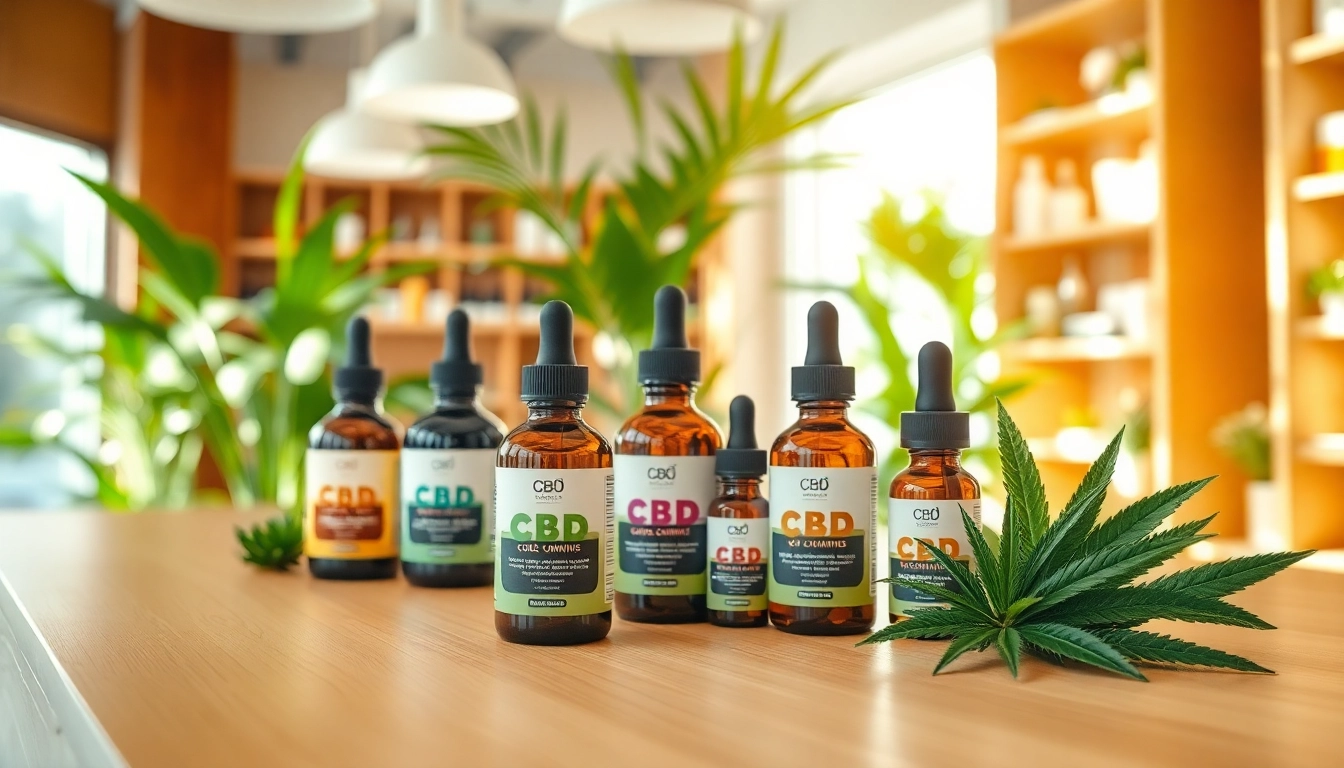
The Basics of CBD
What is CBD?
Cannabidiol, commonly referred to as CBD, is one of the many compounds known as cannabinoids found in the cannabis plant. Unlike tetrahydrocannabinol (THC), CBD does not produce psychoactive effects, which means it does not cause the “high” typically associated with marijuana use. Instead, CBD is recognized for its potential therapeutic benefits, including its ability to provide relief from various health conditions.
CBD is primarily derived from hemp, a variety of the cannabis plant that contains low levels of THC. The legal distinction between hemp and marijuana is significant, as it determines the availability and regulation of CBD products in various regions. Essentially, CBD has gained traction in recent years for its purported health benefits, spurring a surge in product offerings across wellness, beauty, and health sectors.
CBD vs. THC: Key Differences
While both CBD and THC are cannabinoids found within the cannabis plant, they interact with the body in different ways. THC binds to the CB1 receptors in the brain, which can lead to the psychoactive effects attributed to marijuana. In contrast, CBD has a low affinity for these receptors and rather may influence the body's endocannabinoid system by interacting with different receptors and pathways.
This key difference outlines why CBD is perceived as a safer alternative for individuals seeking relief without the psychoactive effects. Additionally, CBD carries an entirely different legal status compared to THC in many states and countries, as it is often viewed as a therapeutic compound rather than a drug with intoxicating properties.
How CBD Works in the Body
The human body has a complex system known as the endocannabinoid system (ECS), which plays a vital role in regulating various physiological processes. The ECS consists of cannabinoid receptors, endocannabinoids, and enzymes, essentially working to maintain homeostasis—balance within the body. CBD interacts with this system by influencing the cannabinoid receptors and modulating the activity of the endocannabinoids.
Whereas THC directly binds to the CB1 receptors, CBD encourages the body to utilize more of its own endocannabinoids. This mechanism may contribute to the compound's effects on mood, pain perception, and even inflammation. Research continues to explore how precisely CBD interacts with the ECS and its overall therapeutic potential across a range of health issues.
Health Benefits of CBD
Managing Anxiety and Stress with CBD
One of the most researched benefits of CBD is its potential role in alleviating anxiety and stress. Numerous studies have indicated that CBD may help reduce symptoms associated with various anxiety disorders, such as generalized anxiety disorder, social anxiety disorder, and post-traumatic stress disorder (PTSD).
By influencing the activity of serotonin receptors in the brain, CBD may lead to improvements in mood and a reduction in anxiety levels. Patients often report feeling more relaxed after consuming CBD, which might serve as a natural alternative or supplement to traditional anxiety medications.
Cannabinoids and Pain Relief
CBD has gained significant attention for its potential analgesic properties. Individuals suffering from chronic pain conditions, like arthritis or fibromyalgia, have turned to CBD for relief. Research suggests that CBD may inhibit the inflammatory response and reduce pain perception through its interaction with the ECS.
When used in various forms, such as oils, creams, or edibles, CBD has been reported to provide users with satisfactory relief from discomfort and pain symptoms. Moreover, CBD could serve as a substitute for opioid medications, leading to less risk of dependency and addiction.
CBD for Sleep Improvement
Sleep disorders affect millions of people globally, with insomnia being one of the most prevalent. Emerging evidence suggests that CBD may assist those struggling with sleep issues by addressing various underlying problems such as anxiety, chronic pain, and restlessness.
By promoting relaxation and reducing anxiety levels, CBD can help in falling asleep quicker and potentially enhance sleep quality. Individuals often report deeper and more restorative sleep cycles when integrating CBD into their nighttime routines. More research is required to substantiate these claims fully, but anecdotal reports indicate promising outcomes for many users.
Choosing CBD Products
Types of CBD Products Available
The market offers a variety of CBD products catering to various preferences and needs. These include oils, tinctures, capsules, gummies, edibles, topicals, and vape products. Oils and tinctures are particularly popular due to their versatility and potency, while edibles like gummies provide a more palatable option for those uncomfortable with the natural tastes of hemp.
Topical applications, such as creams and balms, have gained traction among individuals seeking localized pain relief without systemic effects. Choosing the right product often depends on personal preferences, desired outcomes, and lifestyle factors.
Understanding Lab Testing and Quality
When purchasing CBD products, understanding their quality and purity is crucial. Reputable brands should provide third-party lab testing, allowing consumers to verify the cannabinoid content, potency, and absence of harmful substances like heavy metals, pesticides, and residual solvents.
Lab results often report cannabinoid profiles, highlighting the levels of CBD, THC, and other cannabinoids present. This transparency enables consumers to make informed decisions and ensures they select products that align with their health goals.
How to Read CBD Product Labels
Reading CBD product labels effectively is essential to ensure proper usage and safety. Key elements to look for include the CBD concentration per serving, the total volume of the product, and any additional ingredients that may influence effects or tolerability.
Also, be wary of marketing terms; terms such as "full-spectrum," "broad-spectrum," and "CBD isolate" indicate varying concentrations and combinations of cannabinoids and terpenes. Full-spectrum products contain all cannabinoids present in the cannabis plant, including trace amounts of THC, while broad-spectrum products contain multiple cannabinoids without THC. Meanwhile, CBD isolate is purely CBD, without other cannabinoids or compounds.
Potential Risks and Side Effects of CBD
Common Side Effects of CBD
While CBD is generally considered well-tolerated, potential side effects do exist. Some common experiences reported by users include dry mouth, drowsiness, changes in appetite, and diarrhea. Understanding these side effects can assist individuals in determining proper dosages and usage timing to mitigate adverse experiences.
Notably, individual reactions can vary based on factors such as dosage, individual biochemistry, and the specific CBD product utilized. A gradual introduction with diligent observation can help users identify their optimal dosage while monitoring for side effects.
Drug Interactions and Precautions
CBD can interact with certain medications and affect how they work within the body. Some drugs rely on the liver enzymes (cytochrome P450) for metabolism, and CBD may inhibit these enzymes, potentially leading to increased levels of those medications in the body.
It is crucial for individuals considering CBD to consult with healthcare professionals, particularly if they are on medication for serious health concerns. This ensures safe usage and a comprehensive understanding of potential interactions.
When to Consult a Healthcare Professional
It's advisable to consult a healthcare professional before starting any CBD regimen, especially for individuals with pre-existing health conditions, pregnant or breastfeeding women, or those on medication. A healthcare provider can offer tailored advice, taking into consideration personal health circumstances, risks, and benefits.
Maintaining open communication about any supplements, including CBD, can foster a cooperative approach to health management and guide patients towards the most suitable therapeutic options.
Legal Status and Regulations of CBD
Understanding CBD Legislation in the U.S.
The legal status of CBD in the United States is complex and varies by state. Following the passing of the 2018 Farm Bill, hemp-derived CBD with no more than 0.3% THC became federally legal. However, individual states may have specific laws governing the sale and use of CBD products, which can create a patchwork of legality.
Legal complexities may impact product availability and can affect consumers' ability to access safe, lab-tested products. Understanding local regulations is paramount for consumers navigating the CBD landscape, ensuring compliance and safety in usage.
International Regulations on CBD
Globally, the regulations surrounding CBD are evolving, with some countries embracing its therapeutic potential while others impose strict restrictions or outright bans. In some jurisdictions, CBD products are legal, whereas, in others, they remain illegal or heavily regulated. International travelers should remain vigilant regarding the legality of CBD in different countries, as laws can vary significantly.
Future Trends in CBD Legislation
As public interest in CBD continues to rise, legislative bodies worldwide are actively seeking to create clearer frameworks for CBD regulation. Future trends may involve increased research into the efficacy and safety of CBD products, leading to improved regulatory standards and labeling practices. Additionally, consumer education initiatives may empower individuals with knowledge regarding CBD's potential benefits and risks.
The growing acceptance of CBD could pave the way for novel products and formulations, enhancing user experience while ensuring safety and compliance. Continuous engagement with evolving laws will be crucial for consumers and producers alike.