
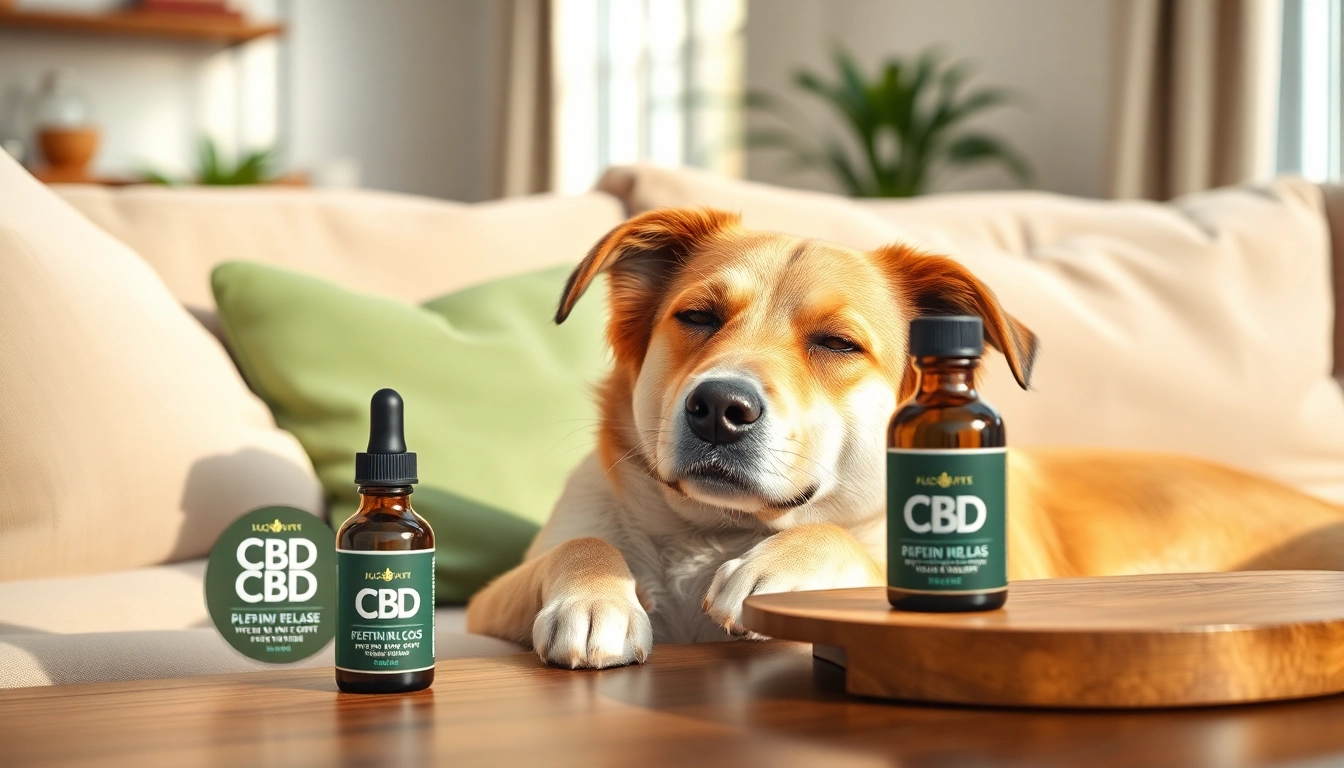
Introduction to CBD For Pet
The use of CBD has gained traction in various sectors, including human wellness, and now it has made a significant impact in the pet care industry. Many pet owners are seeking natural alternatives to support their furry companions' health. This article dives into all you need to know about CBD For Pet, exploring its potential benefits, the types of products available, considerations for selecting the right options, and practical guidance for incorporating it into your dog's routine.
What is CBD and its Benefits for Pets?
Cannabidiol (CBD) is a compound derived from the cannabis plant that does not produce the psychoactive effects commonly associated with marijuana. Unlike THC (tetrahydrocannabinol), CBD is non-intoxicating and is generally considered safe for pets. Recent studies and anecdotal evidence suggest that CBD can provide numerous health benefits for dogs, addressing various conditions such as anxiety, pain, inflammation, and seizures.
For pets, CBD is often administered as an oil, treat, or topical; its versatility allows for different forms based on what your pet prefers or responds to best. Many pet owners have reported improvements in their dog’s quality of life, including enhanced mood, improved mobility, and reduced signs of anxiety.
How CBD Works in Animal Bodies
Just like humans, dogs have an endocannabinoid system (ECS) that plays a crucial role in regulating various physiological and cognitive processes, including mood, pain sensation, and immune system response. The ECS consists of cannabinoid receptors (CB1 and CB2), which interact with cannabinoids such as CBD.
When CBD is administered to pets, it binds to these receptors, helping maintain homeostasis or balance within the body. This interaction can lead to alleviated pain, reduced anxiety, and overall enhanced well-being. Understanding how CBD works can empower pet owners to make informed decisions about its use for their pets.
Common Health Issues Addressed by CBD For Pet
CBD can potentially address several common health issues faced by dogs:
- Anxiety: Many dogs experience anxiety during specific situations, such as thunderstorms or separation. CBD may help to reduce these anxiety levels, providing a calming effect.
- Joint Pain and Inflammation: Conditions like arthritis or general joint pain can significantly affect a dog's quality of life. CBD’s anti-inflammatory properties can help alleviate discomfort and promote mobility.
- Seizures and Epilepsy: Some research indicates that CBD may reduce the frequency and severity of seizures in epileptic dogs, offering a natural alternative to traditional medication.
- Digestive Issues: CBD may aid in relieving gastrointestinal disturbances and promoting a healthy appetite, especially in dogs undergoing treatment for other health conditions.
- Skin Conditions: Topical CBD products can assist in soothing skin irritations and conditions, providing localized relief without the systemic effects of oral consumption.
Types of CBD Products for Pet
Understanding the various types of CBD products available for pets is essential in selecting the right option for your furry friend.
Oils: A Versatile Option for Health
CBD oils are one of the most popular formulations for pet owners. These oils are formulated to be palatable, often coming in flavors that appeal to dogs. The ability to administer precise dosages is a significant advantage; owners can tailor the administration based on their pet’s size, weight, and desired outcomes.
Additionally, oils can be mixed with regular food or given directly, ensuring that pets receive their proper dosage effectively.
Treats: A Tasty Way to Administer CBD For Pet
CBD-infused treats provide a convenient and enjoyable way to give your dog their daily dose of CBD. Often available in various flavors and shapes, treats can be an excellent choice for picky eaters or pets that enjoy a reward for good behavior. They usually come with clear dosage guidelines, making it simpler for owners to monitor intake.
Some treats are specifically formulated for particular issues, such as anxiety-relief or joint support, allowing for targeted health benefits.
Topicals: Direct Relief for Targeted Areas
Topical CBD products, such as creams and balms, are designed for localized treatment. These can be particularly useful for skin irritations, joint pain, or inflammation in specific areas. By applying the product directly to affected areas, pet owners can provide targeted relief without affecting the entire body.
When using topical products, it's essential to follow the instructions carefully, including frequency and amount, to ensure effective treatment.
Choosing the Right CBD For Pet
With a growing number of CBD products available for pets, making an informed choice is crucial for your dog’s health.
Important Factors to Consider
When selecting a CBD product for your pet, consider the following:
- Source of CBD: Ensure that the CBD is derived from high-quality, organic hemp to avoid contaminants and harmful substances.
- Third-Party Testing: Look for products that have been tested by independent labs. This information provides assurance about the safety and potency of the CBD.
- Full-Spectrum vs. Isolate: Full-spectrum products contain multiple cannabinoids that may work synergistically for greater benefits, while isolates contain only CBD. Determine which option best suits your pet’s needs.
- Dosage: Ensure that the product provides clear dosage recommendations based on your dog’s weight and health goals.
How to Read Labels and Ingredients
Understanding labels is vital for selecting a high-quality CBD product. Look for:
- Cannabinoid Content: This shows how much CBD is in the product; ensure it's adequate according to your pet's needs.
- Additional Ingredients: Be aware of any additional ingredients; ensure they are safe for canine consumption and appropriate for your dog's health conditions.
- Expiration Date: Like any health product, CBD oils and treats have a shelf life. Always check the expiration date to ensure product potency and safety.
Understanding Dosage Guidelines and Recommendations
Determining the right dosage can vary based on factors such as weight, age, and health status. A general rule of thumb suggests starting with a low dose and gradually increasing it as needed. Many producers provide dosage calculators on their packaging or websites, making it easier to find the optimal amount for your pet.
Consulting with a veterinarian knowledgeable about CBD use in pets is also advisable, as they can provide tailored recommendations based on your dog's individual needs and health conditions.
Implementing CBD For Pet in Your Dog's Routine
Incorporating CBD into your dog's routine requires careful planning and observation to ensure a smooth transition.
How to Introduce CBD Gradually
Start by introducing a small amount of CBD to your dog's diet, allowing the body to adjust. Monitor their response closely, looking for any changes in behavior or health. If your dog tolerates the initial dose well, gradually increase it as needed based on the observed effects.
Consistency is key; administering CBD at the same time each day can help establish a routine and enhance its effectiveness.
Monitoring Your Dog's Response
Every dog is unique, so observing how they respond to CBD is crucial. Look for signs of improvement in the conditions you are targeting, such as reduced anxiety, improved mobility, or fewer seizure episodes. Additionally, be aware of any potential side effects, like drowsiness or gastrointestinal upset, and adjust the dosage accordingly. Keeping a journal can be beneficial for tracking changes and managing dosages.
Consulting with a Veterinarian for Guidance
Before starting CBD, consult with a veterinarian, especially if your dog is currently taking other medications. A veterinarian can provide insights on potential interactions and help determine the most appropriate dosage to suit your pet's specific health needs.
Being proactive in your pet's health management ensures that administering CBD is both safe and beneficial for their overall wellness.
FAQs about CBD For Pet
Is CBD Safe for All Pets?
While many pets tolerate CBD well, it is essential to consult with a veterinarian before starting any new treatment. Certain pre-existing conditions or medications could interact negatively. Additionally, all pets may not respond the same way, making professional guidance invaluable.
Potential Side Effects of CBD For Pet
CBD is generally well-tolerated, but some pets may experience side effects such as drowsiness, dry mouth, or gastrointestinal upset. These are often temporary and can be managed by adjusting the dosage or discontinuing use. Monitoring your pet’s response to CBD will help determine if it's an appropriate option for them.
Can CBD Help with Specific Conditions?
CBD shows promise in aiding various conditions, including anxiety, inflammation, and chronic pain, among others. However, the research is ongoing. Consulting with a veterinarian familiar with CBD can help tailor its use to your pet's specific health challenges, ensuring they receive the most appropriate care.