
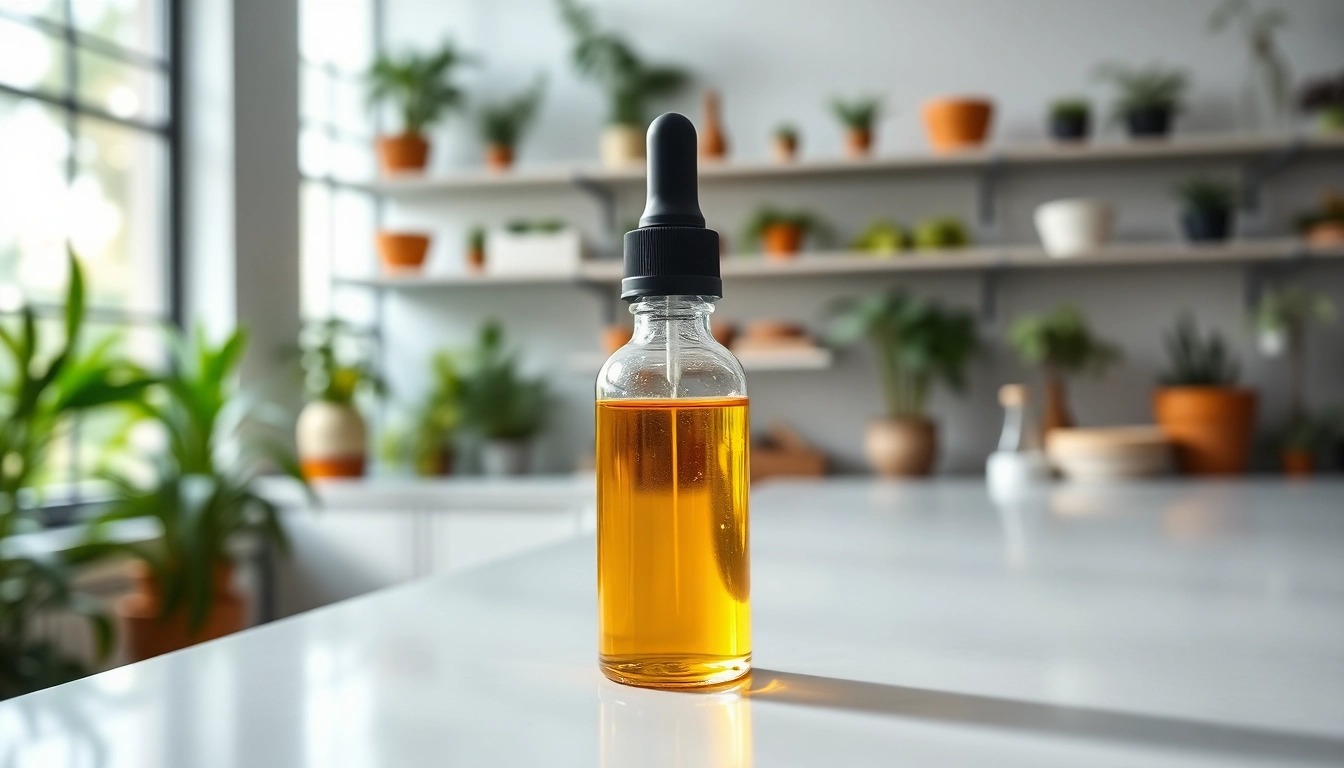
What is CBD Oil?
Definition and Extraction Process
Cannabidiol, commonly known as CBD, is a naturally occurring compound found in hemp and cannabis plants. Unlike its well-known counterpart, tetrahydrocannabinol (THC), CBD does not induce psychoactive effects, making it an appealing option for those seeking therapeutic benefits without the "high." The extraction of CBD oil typically involves several methods, including CO2 extraction, ethanol extraction, and olive oil extraction, with CO2 extraction being the most effective due to its ability to preserve the integrity of CBD while eliminating impurities.
The CO2 extraction process involves using carbon dioxide under high pressure and low temperature to draw out CBD and other valuable cannabinoids from the plant material. Following extraction, the resulting product is refined to concentrate the CBD and remove unwanted components, resulting in a pure oil that retains the therapeutic properties of cannabidiol. In contrast, the ethanol method uses grain alcohol to pull cannabinoids from the plant, while olive oil extraction involves heating the plant material in olive oil, infusing the oil with cannabinoids. Each method has its advantages, but CO2 extraction is often regarded as the gold standard for producing high-quality CBD oil.
Difference Between CBD and THC
Understanding the distinctions between CBD and THC is crucial for consumers seeking to explore cannabinoid products. While both compounds are derived from the cannabis plant, they interact differently with the body’s endocannabinoid system and produce different effects. THC is psychoactive, meaning it can lead to feelings of euphoria or a "high." It binds selectively to CB1 receptors in the brain and nervous system, eliciting various effects, including altered perception, mood changes, and increased appetite.
Conversely, CBD is non-intoxicating and does not produce psychoactive effects. Instead, it interacts with a wider range of receptors throughout the body, including CB1, CB2, and other non-cannabinoid receptors. This interaction makes CBD a candidate for various therapeutic applications, ranging from pain relief to anxiety reduction. Many people are drawn to CBD oil precisely because it can provide health benefits without the mind-altering effects associated with THC.
Legal Status of CBD Oil
The legal landscape surrounding CBD can be complex and varies by country and state. In the United States, the 2018 Farm Bill legalized hemp-derived CBD products containing less than 0.3% THC at the federal level. This pivotal legislation characterized hemp separately from marijuana, enabling legal production, distribution, and sale of CBD oil in states that permit it.
However, individual states retain the authority to impose their regulations on CBD sales, leading to a patchwork of legal statuses across the country. Consumers are encouraged to research local laws and regulations governing the use and purchase of CBD Oil to ensure they are compliant. It is also important to note that while federally legal, the Food and Drug Administration (FDA) has not approved CBD for many uses, leading to potential market confusion and misrepresentation of product claims.
Health Benefits of CBD Oil
Pain Relief and Management
A multitude of studies suggests that CBD Oil may play a significant role in pain relief, making it an increasingly popular option for individuals suffering from chronic conditions. CBD's interaction with the endocannabinoid system is believed to mitigate pain signals and reduce inflammation. Research has shown promising results in conditions like arthritis, fibromyalgia, and multiple sclerosis.
For example, patients suffering from chronic inflammatory pain may find CBD to be an effective alternative to traditional pain management medications, which often come with adverse side effects. Some patients report that CBD promotes better quality of life and gives them a renewed sense of comfort and mobility, allowing them to engage more in daily activities.
Reducing Anxiety and Depression
Anxiety and depression are prevalent mental health conditions that can significantly impair day-to-day functioning. Many individuals are turning to CBD Oil as a natural alternative to alleviate these issues. Preliminary research suggests that CBD may alter how the brain's receptors respond to serotonin, a neurotransmitter linked to mood regulation.
In clinical studies, CBD has demonstrated anxiolytic effects, leading to decreased anxiety levels in patients with generalized anxiety disorder, panic disorder, and social anxiety disorder. While these results are promising, further research is required to establish optimal dosages and effectiveness in treating various mood disorders. Nevertheless, many users of CBD oil report substantial improvements in their mental health and emotional stability.
Support for Neurological Disorders
CBD Oil has potential therapeutic benefits for individuals suffering from neurological disorders, including epilepsy and multiple sclerosis. Clinical trials indicate that CBD may effectively reduce seizure frequency in certain types of epilepsy, such as Dravet syndrome and Lennox-Gastaut syndrome. The FDA has even approved a CBD-based medication, Epidiolex, specifically for treating these conditions.
Furthermore, studies suggest that CBD may have neuroprotective properties that could benefit conditions such as Parkinson's disease and Alzheimer's disease. Although research is still in the early stages, the ability of CBD to reduce inflammation and oxidative stress may contribute to maintaining neurological health. These insights invite hope for those grappling with debilitating neurological disorders and provide avenues for potential therapeutic interventions.
How to Use CBD Oil Effectively
Different Consumption Methods
CBD oil can be consumed using several methods, each with its own advantages and disadvantages. The most common consumption methods include:
- Sublingual Tinctures: Users place a few drops of CBD oil under the tongue for rapid absorption into the bloodstream. This method generally yields quick effects, often within 15 to 30 minutes.
- Capsules and Edibles: CBD oil can be infused into capsules, gummies, or other edible formats. The onset time may vary from 30 minutes to two hours, as the oil needs to metabolize through the digestive system.
- Topicals: CBD-infused creams or lotions can be applied directly to the skin for localized relief, such as joint or muscle pain. This approach allows for targeted application but may not provide systemic effects.
- Vaping: Some users prefer inhaling vaporized CBD oil for fast-acting effects. However, this method may carry respiratory risks that users should consider seriously.
Dosage Guidelines for Beginners
When exploring CBD Oil, finding the appropriate dosage can be a personalized journey, influenced by factors such as age, weight, metabolism, and the condition being treated. For beginners, a gradual approach is often recommended. Starting with a low dose—typically around 5-10 mg of CBD daily—allows individuals to monitor their body's response before gradually increasing the dose.
It is advisable to keep a journal of the dosage, timing, and effects to help identify the optimal regimen. People may experience varying effects, and what works for one individual may not be suitable for another. Consulting with a healthcare professional who understands CBD may also provide personalized guidance tailored to specific needs.
Understanding CBD Oil Products
CBD oil products come in various forms, each with distinctions that may influence their effectiveness. Full-spectrum CBD Oil contains all cannabinoids and beneficial compounds found in the cannabis plant, including trace amounts of THC. This “entourage effect” may enhance the therapeutic benefits compared to isolate forms of CBD, which contain only pure CBD without other cannabinoids.
Broad-spectrum CBD Oil offers a similar profile but removes THC entirely. This might be preferable for individuals who undergo drug testing and want to avoid any THC intake. Understanding the differences among these products can help consumers select the right option to align with their health goals.
Potential Side Effects and Risks of CBD Oil
Common Side Effects
Despite its potential health benefits, CBD oil is not without risks or side effects. Some individuals may experience mild effects such as dry mouth, diarrhea, reduced appetite, fatigue, or drowsiness. In rare cases, some users experience more severe side effects, including liver toxicity and interactions with other medications. It is important to note that everyone's reaction to CBD can differ, making individual experiences highly variable.
Interactions with Medications
CBD Oil can interfere with how certain medications are metabolized, leading to increased or decreased effects. The compound affects the cytochrome P450 enzyme system, which is responsible for breaking down many drugs within the body. Individuals taking medications such as blood thinners, anticonvulsants, or certain antidepressants should consult a healthcare provider before using CBD. A healthcare professional can provide informed advice on potential interactions and adjust medications accordingly.
Long-Term Effects on Health
Though research is ongoing regarding the long-term effects of CBD oil, existing studies suggest that it is relatively safe for most individuals when taken appropriately. However, regular use of CBD may lead to tolerance, necessitating higher doses to achieve the same effects over time. Longitudinal studies are still needed to ascertain the full range of benefits and risks associated with prolonged CBD use. It's vital to monitor one’s health diligently and consult with healthcare professionals for regular assessments.
Choosing Quality CBD Oil
What to Look for in a CBD Oil Product
When selecting CBD oil, consumers should prioritize quality and transparency. Look for products sourced from organically grown hemp, which can ensure they are free of pesticides, fertilizers, and other harmful chemicals. The concentration of CBD should also be clearly stated on the product label to help protect against low-quality oils with insufficient CBD content.
Choosing products that are third-party tested is equally important, as independent lab results can verify the oil's purity and potency. Reputable companies will provide access to these lab results on their websites or product packaging, fostering trust and accountability.
The Importance of Lab Testing
Lab testing serves as a crucial step in ensuring the safety and efficacy of CBD oil products. Independent laboratories analyze samples for cannabinoid content, ensuring that the product contains the labeled amount of CBD and confirming the absence of contaminants such as heavy metals, mold, and residual solvents. Lab testing can also reveal the presence of other cannabinoids and terpenes, providing consumers with insights into the product's overall profile.
Connecting with brands that openly share lab reports allows consumers to make informed decisions. Transparency in lab testing fosters confidence in the quality of the products ingested, ultimately leading to a better experience with CBD Oil.
Reading Labels and Certifications
Understanding how to read CBD product labels is key to making informed choices. Look for certifications, such as "USDA Organic," which indicates that the product meets stringent agricultural standards. Labels should also indicate whether the product is full-spectrum, broad-spectrum, or CBD isolate, guiding consumer choice based on their preferences and needs.
Serving sizes, suggested uses, and storage recommendations should also be clearly outlined on product labels. Consumers should be wary of vague claims regarding health benefits, as these often lack scientific backing. As the market for CBD continues to grow, informed consumers will be better equipped to discern quality and effectiveness, ensuring they reap the maximum benefits from their CBD Oil use.
In conclusion, CBD Oil presents a compelling option for individuals exploring natural remedies for various health conditions. With its diverse applications, ranging from pain and anxiety relief to potential neurological support, it holds promise for many seeking alternatives to conventional therapies. However, it's imperative to approach CBD use with knowledge and caution, considering quality, proper dosage, and individual health factors.
For more information about CBD Oil and its benefits, visit CBD Oil.