
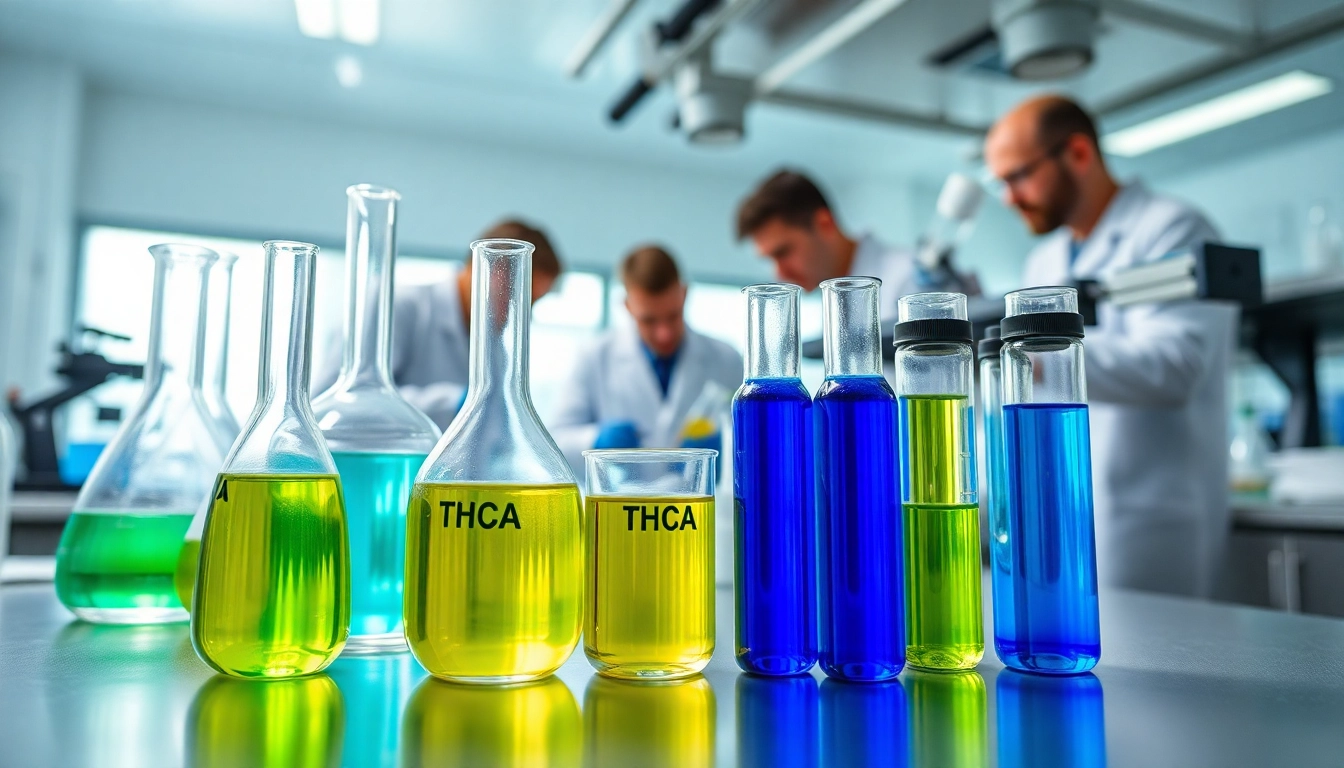
What is THCA?
THCA, or tetrahydrocannabinolic acid, is a non-psychoactive cannabinoid found in raw cannabis. It is the precursor to THC, the well-known psychoactive compound responsible for the “high” associated with cannabis use. Unlike THC, THCA does not produce any intoxicating effects, making it an appealing option for those looking to explore the potential benefits of cannabis without the inebriating side effects. Understanding THCA is essential for anyone interested in the complexities of cannabis science and its applications in health and wellness. For further insights on this intriguing compound, THCA offers a wealth of information.
The Chemical Structure of THCA
THCA is a cannabinoid that belongs to a larger class of compounds known as phytocannabinoids. Its chemical structure consists of 21 carbon atoms, 30 hydrogen atoms, and 2 oxygen atoms, which gives it the molecular formula C21H30O2. This intricate structure is crucial for its unique interactions with the body’s endocannabinoid system. The presence of the carboxylic acid group distinguishes THCA from THC, contributing to its lack of psychoactivity when consumed in raw form.
Differences Between THCA and THC
While both THCA and THC originate from the same plant, their effects on the body are markedly different due to their distinct chemical properties. THCA is not psychoactive, which means it won’t produce the euphoria commonly associated with THC. This is primarily because THCA must undergo decarboxylation—a process triggered by heat—to convert into THC. This chemical transformation occurs during activities like smoking or cooking cannabis, which is why raw cannabis does not induce the same psychoactive effects.
How THCA is Derived
THCA is primarily derived from cannabis plants, appearing predominantly in raw flower cannabis. As the plant matures, THCA accumulates in the trichomes, small resinous glands on the surface of the plant. Upon heating—through methods such as smoking, vaping, or baking—THCA loses its carboxylic acid group, yielding THC. This biological process underscores the importance of understanding how cannabis is prepared and consumed, particularly when aiming to maximize THCA intake.
Benefits of THCA
Potential Health Benefits
Emerging research points to several promising health benefits associated with THCA. Preliminary studies suggest that THCA may have anti-inflammatory, neuroprotective, and anti-nausea properties. Its potential to alleviate symptoms related to chronic conditions such as arthritis and neurodegenerative diseases is especially intriguing. Additionally, THCA’s interaction with the endocannabinoid system might help regulate various physiological processes, leading to an overall improvement in health.
Benefits in Culinary Uses
THCA has been gaining traction in culinary circles, particularly among health-conscious consumers interested in the benefits of raw cannabis. When added to salads, smoothies, or juices, THCA retains its non-psychoactive properties while contributing potential nutritional advantages. Chefs are increasingly exploring the culinary applications of THCA, highlighting the versatility of cannabis as an ingredient that can enhance flavor and provide health benefits.
Prospective Research and Studies
The scientific community is just beginning to scratch the surface of THCA research. Current studies are exploring its therapeutic potential, particularly in cancer treatment and motivation enhancement. Observational and clinical trials could offer deeper insights into THCA’s possible benefits, paving the way for future medicinal applications. As research evolves, the understanding of THCA’s role in health and wellness will continue to expand.
Applications of THCA
THCA in Medicine
THCA is being recognized for its potential therapeutic applications in medicine. Its non-psychoactive nature makes it suitable for patients seeking relief from symptoms without the side effects associated with psychoactive cannabinoids. Anecdotal evidence suggests that THCA may alleviate pain, reduce inflammation, and help manage nausea associated with treatments such as chemotherapy. Ongoing clinical trials promise to validate these claims and further establish THCA as a valuable therapeutic agent.
THCA in Cooking and Edibles
As the interest in cannabis cuisine grows, THCA has become a focal point for chefs and home cooks alike. THCA-rich cannabis can be consumed in various raw forms, retaining its therapeutic properties. Recipes featuring raw cannabis leaves, blends, or smoothies can introduce consumers to the unique flavors and benefits of THCA. Understanding how to incorporate THCA in culinary creations expands the possibilities for healthy consumption methods while appealing to adventurous eaters.
THCA in Wellness Products
The booming wellness industry has begun exploring the benefits of THCA in various non-psychoactive products. From tinctures and oils to topicals and capsules, THCA-infused wellness products are becoming increasingly popular for individuals seeking natural remedies. These products offer easy integration into daily routines, promoting health without the intoxication associated with traditional cannabis use. As consumer preferences shift toward natural and holistic wellness, THCA is poised to play a significant role.
How to Use THCA Safely
Dosing Guidelines
Finding the right THCA dosage can vary significantly between individuals, depending on factors such as body weight, tolerance, and specific health issues. Those new to THCA may want to start with lower doses and gradually increase until they find a comfortable level. Generally, beginning with a fractional dose of 5 to 10 mg of THCA may be ideal for newcomers. Consultation with a healthcare professional is always recommended to avoid any adverse effects.
Possible Side Effects
THCA is largely considered safe, with minimal reported side effects. However, some individuals might experience mild reactions such as gastrointestinal discomfort, dizziness, or headaches, especially if consumed in high amounts. It’s crucial for users to listen to their bodies and adjust dosages accordingly. While serious side effects are rare, monitoring one’s reaction is essential, particularly for those with preexisting health conditions.
Legal Considerations
The legality of THCA varies depending on local laws and regulations regarding cannabis. In many jurisdictions, THCA falls under hemp laws if derived from low-THC strains. Nevertheless, understanding the legal landscape is essential for consumers seeking THCA products, particularly as regulations continue to evolve. Always check local guidelines to ensure compliance with cannabis-related statutes.
Future of THCA
Trends in THCA Research
As interest in cannabis continues to grow, research into THCA is expected to accelerate. Studies focusing on its health benefits, mechanisms of action, and potential therapeutic applications are likely to expand, unveiling new insights and setting the stage for more mainstream acceptance. Collaborations between universities, medical institutions, and cannabis companies will play a vital role in fostering this research, ultimately contributing to the body of evidence surrounding THCA.
Innovations in THCA Products
The future of THCA will likely see innovative products entering the market aimed at various demographics. From non-psychoactive beverages to culinary kits featuring raw cannabis, product diversity will cater to evolving consumer preferences. As demand for natural remedies and wellness alternatives grows, the development of THCA-rich products presents lucrative opportunities for entrepreneurs within the cannabis industry.
Consumer Awareness and Education
Increasing consumer awareness about the benefits of THCA is essential for its adoption. Educational initiatives, workshops, and online resources will empower consumers to understand how to incorporate THCA into their lifestyles. As knowledge about body chemistry and cannabis expands, consumer expectations regarding transparency and product efficacy are also likely to rise, significantly impacting purchasing decisions.
FAQs
What is the difference between THCA and THC?
THCA is a non-psychoactive precursor to THC. While THC creates a “high,” THCA does not produce any intoxicating effects unless converted through heat.
Is THCA safe to consume?
Generally, THCA is considered safe with minimal side effects. However, dosage should be monitored, especially for those who are new to cannabinoids.
Can THCA help with health issues?
Emerging research suggests that THCA may have potential benefits, including anti-inflammatory and neuroprotective properties. Consult a healthcare provider for personalized advice.
How can I incorporate THCA into my diet?
THCA can be consumed in its raw form, such as in smoothies, salads, or juices. Explore creative culinary recipes to enhance your meals with raw cannabis.
Is THCA legal?
The legality of THCA varies based on local cannabis laws. Ensure to check local regulations to understand its legal status in your area.