Posted on

Behind the Scenes of 서울출장안마: The Essential Guide to Relaxation Techniques in 2026

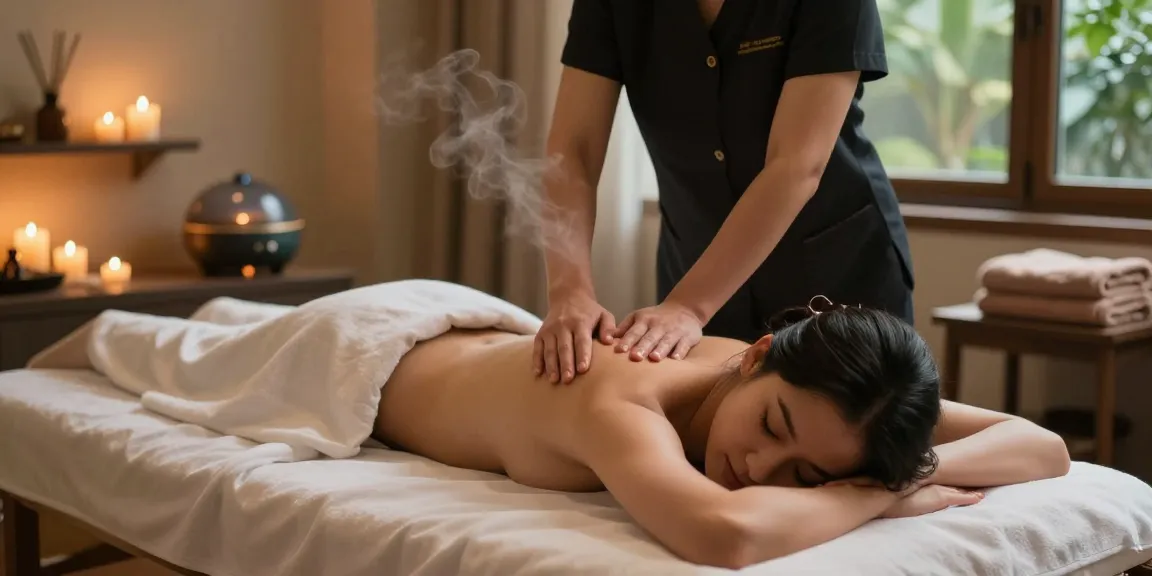
Experience a rejuvenating 서울출장안마 massage therapy session in a serene spa environment, highlighting relaxation and wellness.

Understanding the Benefits of 서울출장안마

In today’s fast-paced world, stress and tension can easily accumulate, leading to a variety of physical and emotional issues. One of the most effective ways to combat these problems is through professional massage therapy, particularly 서울출장안마, which offers a rich blend of traditional and modern techniques tailored to individual needs. By exploring the numerous benefits of this practice, you can gain a better understanding of how it can enhance your overall wellness.

When exploring options, 서울출장안마 provides comprehensive insights into the various massage services available in Seoul, ensuring you can make an informed decision for your health and relaxation.

What is 서울출장안마?

서울출장안마 refers to a range of professional massage services available in Seoul, designed to provide relaxation, pain relief, and overall wellness. These services can include several techniques, drawing from both Eastern and Western traditions, and are suitable for individuals seeking to unwind or address specific physical concerns.

Health Benefits of Massage Therapy

Research consistently shows that regular massage therapy can offer myriad health benefits. Some of the top advantages include:

  • Stress Reduction: Massage helps reduce cortisol levels, easing tension and promoting relaxation.
  • Improved Circulation: Enhanced blood flow benefits muscle recovery and overall health.
  • Pain Relief: Targeted techniques can alleviate chronic pain, such as back pain or migraines.
  • Enhanced Flexibility: Regular sessions can improve joint mobility and flexibility.
  • Better Sleep Quality: Massage can promote relaxation, leading to improved sleep patterns.

Why Choose Professional Massage Services?

Opting for professional massage services ensures that you receive the highest quality of care. Trained therapists can tailor each session to meet your specific needs and offer expertise that is vital for addressing unique health concerns. Furthermore, professional services often maintain a hygienic and comfortable environment, enhancing the overall experience.

Popular Techniques in 서울출장안마

Swedish Massage: A Relaxation Essential

Frequently regarded as the most popular type of massage, Swedish massage employs gentle techniques to promote relaxation and circulates blood flow. Utilizing long, sweeping strokes, kneading, and rhythmic tapping, this method helps residents of Seoul unwind and reduce stress effectively.

Deep Tissue Techniques: Targeting Muscle Tension

For individuals dealing with chronic muscle tension or pain, deep tissue massage offers an effective solution. This method utilizes more intense pressure and focuses on the deeper layers of muscle and connective tissues. It can alleviate pain associated with repetitive strain injuries, sports injuries, and even post-surgery recovery.

Aromatherapy and Its Benefits in Massage

Aromatherapy massage combines essential oils with traditional massage techniques to promote emotional and physical healing. The scents can enhance the experience, bringing added benefits such as improved mood, reduced anxiety, and enhanced relaxation during the massage session.

Finding the Right 서울출장안마 Service

What to Look for in a Massage Therapist

Choosing the right massage therapist is crucial for a positive experience. Look for licensed professionals with adequate training and experience in various techniques. Reading reviews and seeking recommendations can also help you find someone who matches your preferences and requirements.

Questions to Ask Before Your First Appointment

Before scheduling your first session, consider asking the therapist a few important questions:

  • What techniques do you specialize in?
  • Are you experienced in treating my specific concerns?
  • What should I expect during a session?

Understanding Pricing and Packages

Different providers may offer various pricing structures, including hourly rates or package deals. It’s essential to compare prices while considering the quality of the service. Some establishments may also offer discounts for first-time clients or membership packages that provide savings for regular visits.

Preparing for Your 서울출장안마 Session

What to Expect During Your Appointment

During your appointment, you can expect a brief consultation to discuss your health concerns and preferences. Your therapist will then create a customized session to address your specific needs. Sessions typically last from 60 to 90 minutes, allowing adequate time for relaxation and treatment.

Tips for Maximizing Your Relaxation

To maximize your relaxation, consider arriving early to allow yourself to unwind in the serene environment. Communicating with your therapist about pressure preferences and discomfort will enhance your experience significantly.

Post-Massage Care for Extended Benefits

After your massage, it’s important to stay hydrated and allow your body to adjust. Light stretching and gentle movement can help maintain the benefits of your session and promote further relaxation.

Trends in 서울출장안마 for 2026 and Beyond

Innovations in Massage Therapy Techniques

As the field of massage therapy evolves, new techniques and technologies are emerging. Innovations such as neuro-somatic therapy and myofascial release are gaining popularity for their effectiveness in treating chronic pain and improving mobility.

Integrating Technology into the Massage Experience

Many massage therapy practices are starting to incorporate technology into services, such as online booking systems and virtual consultations. This ease of access and convenience allows clients to receive care even amidst busy schedules.

Future of Wellness and Self-Care Practices

The emphasis on holistic wellness continues to grow, with more individuals recognizing the importance of self-care practices like massage therapy. As awareness expands, the integration of psychological and physical wellness will shape the future landscape of the industry.

What Are the Most Popular 서울출장안마 Techniques?

As mentioned earlier, techniques such as Swedish and deep tissue massage rank among the most sought after. However, modalities like sports massage and hot stone therapy are also becoming increasingly popular, catering to diverse needs and preferences.

How Can Massage Therapy Improve Mental Health?

Massage therapy has been shown to reduce symptoms of anxiety and depression by promoting the release of endorphins and serotonin. The physical act of receiving a massage can also create a sense of connection and support, which is vital for mental well-being.

Is a Membership Worth It for Regular Clients?

For those who plan on receiving massages regularly, a membership can offer significant savings and ensure timely appointments. Many establishments provide exclusive benefits for members, such as additional services or discounts.

How Do I Choose the Right Massage for My Needs?

Choosing the right massage depends on your specific needs, whether they pertain to relaxation, injury recovery, or rehabilitation. Consulting with a therapist can help you determine the most appropriate technique based on your unique situation.

What Should I Know About Massage Etiquette?

Understanding basic massage etiquette can enhance your experience. Always arrive on time, communicate openly about your needs, and respect your therapist’s professional boundaries during the session.

Can I Request Specific Techniques or Areas of Focus?

Absolutely! Communicating your preferences about techniques or areas that require extra attention allows the therapist to tailor the session to meet your needs effectively. Always feel comfortable expressing any feedback during your appointment.

Posted on

Key Benefits of Hair Transplant Turkey That Potential Patients Overlook

Hair transplant turkey at a professional healthcare clinic providing patient care and expert medical services.

Understanding Hair Transplant Turkey

As the global demand for hair restoration solutions continues to rise, Turkey has emerged as a prominent destination for individuals seeking effective and affordable hair transplant procedures. The country offers a unique combination of advanced medical techniques, experienced practitioners, and competitive pricing, making it an ideal choice for those looking to regain their confidence through hair restoration. This article serves as a comprehensive guide to understanding the features and considerations surrounding hair transplant turkey, including its methods, potential candidates, and the typical patient journey.

What is a Hair Transplant?

A hair transplant is a surgical procedure in which hair follicles are moved from a donor site—usually a region of the scalp with healthy hair—to thinning or balding areas. This technique can produce natural-looking and permanent results, as the transplanted hairs retain the characteristics of hair from the donor zone. There are various methodologies used to execute hair transplants, notably Follicular Unit Extraction (FUE) and Direct Hair Implantation (DHI), each with its unique benefits and applications.

Why People Choose Hair Transplant Turkey

Turkey has become a worldwide hub for hair transplants due to its combination of quality and affordability. The high success rate of procedures offered by accredited clinics, coupled with the expertise of qualified medical professionals, attracts thousands of international patients annually. Moreover, the streamlined nature of medical tourism in Turkey, which encompasses coordinated travel plans and personalized care, enhances the overall experience for individuals seeking hair restoration.

Overview of Hair Transplant Packages

Most clinics in Turkey offer comprehensive hair transplant packages that include pre-operative evaluations, surgical procedures, and post-operative follow-ups. These packages often cover transportation, accommodation, and aftercare, providing international patients with a hassle-free experience. Depending on the clinic and chosen technique, prices can vary significantly, usually ranging from $1,500 to $4,500, making it a viable option for many looking to undergo hair restoration.

Hair Transplant Methods Available in Turkey

Turkey’s medical facilities provide a range of advanced hair transplant methods designed to cater to varying patient needs and preferences. Understanding these techniques can help potential candidates make an informed decision about which approach may be best suited for their individual circumstances.

FUE Hair Transplant Explained

Follicular Unit Extraction (FUE) is one of the most commonly performed hair transplant techniques. This minimally invasive method involves extracting individual follicular units from the donor area and implanting them into the recipient site. FUE’s popularity is due to its ability to produce natural-looking results without leaving linear scars, allowing patients to style their hair freely after recovery. The procedure can take several hours or more, depending on the number of grafts being transplanted.

Sapphire FUE Technique

Sapphire FUE is an enhanced version of traditional FUE, utilizing sapphire blades instead of steel for making recipient sites. This can lead to more precise incisions and potentially reduce the trauma experienced by the surrounding tissue. As a result, patients may experience quicker recovery times and increased graft survival rates. This technique is recommended for individuals seeking superior hairline designs and natural outcomes.

Direct Hair Implantation (DHI)

Direct Hair Implantation (DHI) is a variant of the FUE technique that uses a specialized implanter tool, allowing for immediate implantation of grafts after extraction. This method facilitates a more controlled placement of hair follicles, which can be particularly beneficial for refining hairlines or addressing smaller areas of hair loss. DHI may also minimize the time that grafts are outside the body, improving their survival rates.

Candidate Considerations for Hair Transplant in Turkey

Identifying a good candidate for hair transplantation is critical in achieving successful results. Several factors such as age, health status, and expectations play a crucial role in determining candidacy.

Who is an Ideal Candidate?

The ideal candidate for a hair transplant is usually an adult with stable pattern baldness, ample donor hair available, and reasonable expectations regarding the outcome. Those with hereditary hair loss patterns often see the best results, particularly if their hair loss is well-defined. Understanding the condition of the donor area and overall health can significantly influence success rates.

Age Factors in Hair Transplants

While there is no specific age requirement for undergoing a hair transplant, medical professionals typically recommend that patients be at least 25 years old. This age allows for a more accurate assessment of hair loss patterns and ensures that future hair loss can be better anticipated and managed. Younger candidates may experience more unpredictable hair loss that can complicate the long-term success of a transplant.

Health and Lifestyle Assessments

Prior to a hair transplant, a thorough health assessment is essential. Factors including underlying medical conditions, medications, smoking status, and lifestyle habits can all impact the procedure’s success. Patients should engage in open discussions with their medical team to address any potential health concerns and ensure optimal conditions for surgery.

The Hair Transplant Journey in Turkey

Understanding the timeline and elements involved in the hair transplant journey can help ease the anxiety of prospective patients. Knowing what to expect at each stage helps in making informed decisions and promotes a smoother experience.

Initial Consultation and Assessment

The journey usually begins with a thorough consultation, either online or in-person. During this initial meeting, potential candidates can discuss their hair loss history, expectations, and concerns with experienced medical professionals. A detailed examination of the scalp and evaluation of donor hair viability will guide the development of a customized treatment plan.

The Day of the Procedure

On the day of the procedure, patients will typically arrive at the clinic where they will receive pre-operative instructions and care. Local anesthesia is administered to ensure comfort during the surgery. The duration of the hair transplant can vary based on the number of grafts, generally lasting between 6 to 8 hours, including breaks and necessary procedures. Patients are encouraged to relax, listen to music, or engage in light conversation with the medical team during the process.

Post-Operative Care and Recovery

Following the hair transplant, patients will receive detailed aftercare instructions to promote healing and successful graft retention. Recovery may involve mild discomfort, swelling, and redness, which typically subsides over a few days. It’s crucial to follow medical advice, including how to wash the hair, avoid strenuous activities, and monitor for any signs of complications. Regular follow-up appointments may also be scheduled to track progress and ensure optimal healing.

Safety, Success Rates, and Longevity of Results

As with any surgical procedure, understanding potential risks, success rates, and the longevity of hair transplant results is essential for any prospective patient. Turkey’s stringent healthcare protocols and experienced practitioners contribute to high success rates and patient satisfaction.

Common Side Effects

While hair transplants are generally safe, there can be side effects, including swelling, redness at the donor or recipient site, and minor pain. It’s essential to recognize that complications are rare when procedures are performed by qualified medical professionals. Patients should be aware and vigilant for any unusual symptoms and maintain open communication with their healthcare provider throughout the recovery process.

Success Rates in Turkish Clinics

The success rates for hair transplants in Turkey are quite favorable, with many clinics reporting rates as high as 90-95%. Factors contributing to these high rates include the expertise of the surgeons, the use of advanced techniques, and comprehensive pre-and post-operative care. Selecting a reputable clinic is vital to enhance the likelihood of a successful outcome.

The Durability of Transplanted Hair

Typically, transplanted hair is permanent, as the follicles are resistant to the natural process of hair loss that affects the surrounding hair. For more information, https://www.smilehairclinic.com/en/ offers valuable insights. However, ongoing hair loss in untreated areas may necessitate further treatments in the future. Patients can expect initial hair growth around 3 to 4 months post-procedure, with full results becoming visible within 9 to 12 months.

Posted on

A Practical Hair Transplant Istanbul Framework for Real Results

Hair transplant istanbul consultation in a modern healthcare clinic, showcasing patient care and expert services.

Understanding Hair Transplant Procedures in Istanbul

As more individuals seek solutions to hair loss, Istanbul has emerged as a prominent destination for hair restoration. Known for its advanced medical practices and affordability, the city offers various hair transplant techniques performed by experienced professionals. Understanding fundamental concepts and evaluating clinics are essential in making informed decisions. Whether you are considering a hair transplant for aesthetic reasons or to boost your confidence, this guide will provide valuable insights into the processes involved and what you can expect during your journey.

What is a Hair Transplant?

A hair transplant is a surgical procedure that involves moving hair follicles from one part of the body (usually the back or sides of the scalp) to areas experiencing hair loss. This minimally invasive treatment is designed to restore hair in a permanent and natural-looking manner. Hair transplants can be beneficial for men and women experiencing male or female pattern baldness, hair thinning due to traction alopecia, or hair loss caused by trauma or medical conditions.

Different Techniques Available

There are primarily two techniques used in hair transplantation: Follicular Unit Transplantation (FUT) and Follicular Unit Extraction (FUE). FUT involves removing a strip of hair from a donor site and dissecting it into individual follicular units for transplantation. In contrast, FUE extracts individual follicular units directly from the scalp, which eliminates the need for a linear scar and typically results in faster recovery. Some clinics in Istanbul also offer variations on these techniques, such as Direct Hair Implantation (DHI), which allows for more precise placement of grafts.

Choosing the Right Clinic

Selecting a reputable clinic is crucial for the success of your hair transplant. Factors to consider include the clinic’s accreditation, the experience of the medical staff, and patient reviews. When exploring options, hair transplant istanbul provides comprehensive insights, helping prospective patients make informed choices regarding their treatment. Ensuring the clinic abides by international safety and hygiene standards is also essential for a successful outcome.

Benefits of Hair Transplants in Istanbul

Choosing Istanbul for your hair transplant can offer numerous benefits, from cost-effectiveness to access to skilled practitioners. Understanding these advantages can significantly impact your decision-making process.

Cost-Effectiveness of Treatments

One of the most compelling reasons many patients opt for hair transplants in Istanbul is the considerable cost savings. The average price of hair transplants in Turkey typically ranges between $1,800 to $4,500, significantly lower than in Western countries where prices can soar to $15,000 or more. This affordability, without compromising on quality or results, makes Istanbul an excellent option for those seeking hair restoration.

Reputable Surgeons and Clinics

Istanbul is home to several highly regarded hair transplant surgeons, many of whom have international certifications and training. Clinics in the region often boast state-of-the-art equipment and facilities, ensuring patients receive the highest level of care. Additionally, numerous success stories and positive testimonials from past patients underscore the expertise available within the city.

Innovative Techniques for Natural Results

Clinics in Istanbul employ the latest technology and innovative methods to achieve natural-looking results. With advancements in hair replacement techniques, such as robotic hair transplantation and more advanced grafting methods, patients can expect their hair to blend seamlessly with their existing hair. Such innovations not only enhance the aesthetics of the results but also minimize recovery times and complications.

What to Expect Before, During, and After the Procedure

Understanding the process thoroughly can ease any anxiety you may have about undergoing a hair transplant. We will walk you through each stage of the journey, so you know what to expect.

Pre-Operative Consultations

Prior to the surgery, you will undergo a thorough consultation with your chosen clinic. This typically involves a physical examination of your scalp, an assessment of your hair loss pattern, and a discussion about your expectations. The medical team will review your medical history to ensure you are a suitable candidate for the procedure.

The Hair Transplant Procedure Explained

The actual hair transplant procedure can last anywhere from 6 to 8 hours, depending on the extent of the hair loss and the technique used. You will be given local anesthesia to minimize discomfort during the procedure. Once the grafts are harvested and prepared, they will be strategically implanted into the thinning or balding areas of your scalp.

Recovery and Aftercare Tips

Post-surgery, it’s common to experience swelling and slight discomfort, but these symptoms typically subside within a few days. Careful aftercare is vital for the best results; this includes avoiding strenuous activities, following prescribed medication, and adhering to the clinic’s post-operative guidelines. It may take several months before you begin to see new hair growth, and the full results can be expected within a year.

Safety and Regulations in Istanbul’s Hair Transplant Clinics

Safety should be a priority when considering a hair transplant in Istanbul. Understanding the regulations and protocols in place can provide peace of mind.

Meeting International Standards

Many clinics in Istanbul adhere to international healthcare standards, ensuring that they provide a safe and reliable environment for patients. Accreditation by respected organizations guarantees that the clinic follows the essential protocols concerning patient safety and care.

Patient Safety Protocols

Patient safety measures include sterilization of equipment, use of protective gear by medical personnel, and adherence to strict hygiene practices. Before undergoing any procedure, inquire about the specific safety protocols established by the clinic you are considering.

Importance of Hygiene and Care

Maintaining hygiene is crucial during the hair transplant process. Ensure the facility you choose prioritizes cleanliness and follows proper medical practices. This can significantly impact the success of your surgery and your overall health.

FAQs About Hair Transplant in Istanbul

As with any medical procedure, potential patients have many questions before proceeding with a hair transplant. Here are some common inquiries regarding the process in Istanbul.

Is Istanbul Safe for Hair Transplant?

With proper due diligence and clinics following international safety standards, Turkey is as safe as any Western country for hair restoration. For many patients, this makes choosing a hair transplant in Istanbul a safe and reliable option.

What is the Average Cost of a Hair Transplant?

The average cost of hair transplants in Istanbul can vary significantly based on the technique used. Generally, patients can expect to pay between $1,800 and $4,500, which is considerably less than in many other parts of the world.

How Long Does Recovery Take?

Recovery time can vary from person to person, but most patients can return to work within a week post-surgery. For more information, https://aslitarcanglobal.com/hair-transplant-in-turkey/ offers valuable insights. Complete healing can take several months, with final results usually visible within one year.

Posted on

The Complete Hair Transplant Turkey Guide for Individuals Seeking Restoration (2026 Edition)

Hair transplant Turkey consultation in a welcoming healthcare environment, showcasing patient care and expert medical services.

Understanding Hair Transplantation Techniques

As individuals navigate the journey of hair loss, understanding the various hair transplantation methods is crucial for making informed decisions. Hair transplant procedures have risen in popularity, particularly in Turkey, known for its advanced techniques and competitive pricing. A hair transplant in Turkey can offer effective solutions for those seeking to restore their hair. When exploring options, hair transplant turkey provides comprehensive insights into the available treatments and specialist clinics.

What Is Hair Transplantation?

Hair transplantation is a surgical technique that involves relocating hair follicles from a donor site, typically the back of the head, to an area experiencing hair loss. This procedure is primarily used to treat male and female pattern baldness but can also address hair loss due to trauma or other medical conditions. The two most common techniques are Follicular Unit Extraction (FUE) and Direct Hair Implantation (DHI), which provide patients with natural-looking results and permanent hair restoration.

Different Methods Explained: FUE vs. DHI

Follicular Unit Extraction (FUE) involves extracting individual hair follicles one by one using a specialized instrument. This minimally invasive technique ensures a quicker recovery time and less visible scarring compared to traditional strip harvesting. In contrast, Direct Hair Implantation (DHI) allows for immediate implantation of follicles into the recipient area without prior channel creation, leading to denser packing and more natural growth patterns. Both methods are widely available in Turkey, each with distinct advantages and tailored approaches for different types of hair loss.

Choosing the Right Technique for You

Selecting the appropriate transplantation method depends on various factors, including the extent of hair loss, scalp condition, and personal preferences. It’s essential to consult with a qualified specialist who can provide recommendations based on your specific situation. Understanding the nuances between FUE and DHI is vital to ensure optimal results.

Cost Overview of Hair Transplant Turkey

The cost of a hair transplant in Turkey significantly varies based on several factors, including the technique, the number of grafts required, and the clinic’s reputation. Typical prices range from $950 to $3,500 for standard cases. However, prices can rise depending on additional services provided, such as post-operative care and accommodation packages.

Factors Affecting Pricing

Several elements influence the pricing of hair transplants in Turkey, including the chosen technique (FUE vs. DHI), the number of grafts needed, and the clinic’s location and expertise. Clinics that offer comprehensive packages, including pre-operative meetings and post-operative follow-ups, may charge a premium but provide added value in terms of patient care.

Hair Graft Pricing Models

Hair grafts typically range from $0.20 to $0.85 each in Turkey. Larger areas of balding require more grafts, thus increasing costs. For example, a patient requiring 5,000 grafts could incur total costs ranging from $2,500 to $5,000, particularly in reputable clinics that ensure experienced surgical teams.

Comparative Costs: Turkey vs. Other Countries

When comparing hair transplant costs internationally, Turkey stands out as a cost-effective option. In countries like the United Kingdom and the United States, similar procedures can cost anywhere from $8,500 to $20,000. The significant differences in pricing are due to various factors, including healthcare costs and the operational overhead in different regions.

Ideal Candidates for Hair Transplantation

Understanding who is an ideal candidate for hair transplantation is essential for successful outcomes. Candidates typically include individuals experiencing pattern baldness, those with thinning hair, or individuals who have lost hair due to injury or medical conditions.

Who Is Fit for Hair Transplantation?

Most adults, regardless of gender, can be suitable candidates provided they meet specific health criteria. It is essential for candidates to have sufficient donor hair available for transplantation and realistic expectations about the results. Individuals suffering from conditions that affect hair growth or who are on medications that affect hair loss should discuss these issues with their healthcare providers beforehand.

Assessing Your Hair Loss Stage

Assessing the stage of hair loss plays a pivotal role in determining the appropriate intervention. The Norwood-Hamilton scale is commonly used to identify the degree of male-pattern baldness, helping define the treatment necessary for optimal results.

Pre-Operative Evaluations

Before undergoing hair transplant surgery, candidates will undergo thorough evaluations to ensure their suitability for the procedure. This may include blood tests and scalp analysis to assess hair density and donor site viability. Additionally, potential candidates should disclose their full medical histories to identify any contraindications for surgery.

Preparing for Your Hair Transplant Procedure

Preparation for a hair transplant is crucial in ensuring a smooth procedure and positive outcomes. Candidates should follow specific guidelines to optimize their health and readiness leading up to surgery.

Pre-Operative Instructions and Guidelines

Patients should avoid blood thinners, alcohol, and certain medications prior to surgery, as these can impact healing. It is also advisable to wear loose-fitting clothing and to have a good meal before the procedure, as it can be an extended process that lasts several hours.

What to Expect on the Day of Surgery

On the surgery day, patients will receive a local anesthetic to minimize discomfort during the procedure. The surgery typically takes between 4 to 8 hours, depending on the number of grafts being transplanted. Patients should arrive at the clinic feeling relaxed and prepared for the procedure.

Post-Operative Care Essentials

Following the transplant, patients must follow specific care instructions to promote healing and prevent complications. This might include avoiding strenuous activities, refraining from washing the hair for the first few days, and protecting the scalp from sunlight.

Long-Term Results and Aftercare

Understanding the expected results and maintaining aftercare is crucial for long-term success following a hair transplant.

Understanding Results Post-Transplant

The initial results may take a few months to become apparent, with full results visible within 6 to 12 months post-procedure. Patients may experience hair shedding shortly after the procedure, which is a normal part of the growth cycle.

Maintaining Your Hair Transplant

To maintain the results from the procedure, ongoing care is essential. This may include prescribed medications to support hair growth, a healthy diet, and routine check-ups with the clinic for assessments.

Common Concerns and Misconceptions

Many individuals harbor concerns regarding the aesthetic results of hair transplants, often worrying about unnatural appearances. However, with modern techniques and skilled professionals, hair transplants can yield natural results that blend seamlessly with existing hair.

FAQs About Hair Transplant Turkey

How Much Does a Hair Transplant in Turkey Cost?

The cost of a hair transplant in Turkey varies widely based on personalized factors, but it remains significantly less expensive than comparable procedures in other countries.

Will My Hair Transplant Look Natural?

When performed by experienced specialists using advanced techniques, hair transplants can produce extremely natural-looking results, enhancing the overall aesthetic appearance.

How Long Does a Hair Transplant Last?

Hair transplants provide a permanent solution to hair loss, as the follicles are taken from areas resistant to baldness. For more information, https://www.bukclinic.com/hair-transplant-turkey/ offers valuable insights. However, some patients may need follow-up treatments as they age and experience further hair thinning.

Posted on

The Most Common Hair Transplant Turkey Errors and Quick Fixes for 2026

Hair transplant Turkey consultation at a modern health clinic, emphasizing patient care and expert medical services.

Hair loss is a common concern affecting millions across the globe, impacting self-esteem and quality of life. As a result, many individuals seek solutions to restore their hair, with hair transplantation emerging as a popular option. Turkey has become a leading destination for this procedure, offering a combination of affordability, advanced techniques, and highly skilled professionals. In this article, we will explore the intricacies of hair transplant procedures in Turkey, cost considerations, the role of advanced technology, as well as recovery and aftercare. Through this comprehensive guide, we aim to equip you with the knowledge needed to make informed decisions regarding hair restoration.

Understanding Hair Transplant Procedures in Turkey

Turkey has gained prominence as a premier location for hair transplants, attracting countless international patients seeking effective treatments. The country is renowned for its cutting-edge techniques and competitive pricing, providing solutions tailored to individual needs. When exploring options, hair transplant turkey provides comprehensive insights into the various procedures available, including FUE and DHI methods, ensuring personalized care every step of the way.

Overview of Hair Transplant Techniques

Hair transplant techniques have evolved significantly over the years, focusing on improved outcomes and patient satisfaction. The two most popular methods used in Turkey are Follicular Unit Extraction (FUE) and Direct Hair Implantation (DHI).

  • Follicular Unit Extraction (FUE): This technique involves extracting individual hair follicles from the donor area, commonly located at the back of the head, and implanting them into the balding or thinning areas. It is minimally invasive, leaving tiny, inconspicuous scars.
  • Direct Hair Implantation (DHI): Similar to FUE, DHI uses a specialized tool to directly implant hair follicles into the scalp, ensuring greater precision and quicker recovery times as there are no prior incisions made for canals.

Comparison of FUE and DHI Methods

Both FUE and DHI methods have their unique advantages. FUE is often favored for its efficiency in large-scale hair restoration, while DHI is lauded for its ability to create more natural hairlines. Your choice may depend on the extent of hair loss, personal preference, and advice from your healthcare provider. Understanding these differences will guide you towards selecting the most suitable approach for your needs.

Why Choosing Turkey for Hair Transplant is Beneficial

Turkey’s appeal as a hair transplant destination can be attributed to several factors. The country boasts modern clinics equipped with state-of-the-art technology, renowned surgeons with significant experience, and competitive pricing compared to many Western countries. The combination of quality care and affordability makes Turkey an attractive option for those seeking effective hair restoration solutions.

Cost Considerations for Hair Transplants in Turkey

The financial aspect of hair transplants is often a critical concern for patients. Generally, the costs associated with hair transplants in Turkey are significantly lower than in many Western nations, making it a cost-effective choice. However, patients should remain informed about average costs and factors influencing pricing.

Average Costs of Hair Grafts in 2026

In 2026, the average cost of hair grafts in Turkey varies based on the methods used and the number of grafts required. On average, patients can expect to pay between $1,500 to $3,000 for a procedure involving 2,000 to 3,000 grafts. These prices often include additional services such as consultation, post-operative care, and accommodation for international patients.

Factors Influencing Hair Transplant Prices

Several factors can influence hair transplant prices, including:

  • The experience and reputation of the surgeon
  • The technique used (FUE vs. DHI)
  • The number of grafts required
  • Facility fees and location
  • Included amenities, such as transportation and lodging for international patients

Comparison of Costs with Other Countries

When comparing hair transplant costs, Turkey stands out as a budget-friendly option. For instance, procedures in the United States can range from $4,000 to $15,000, whereas in the United Kingdom, costs can also be extremely high. By choosing Turkey, patients can benefit from professional care at a fraction of the price.

The Role of Advanced Technology in Hair Restoration

The integration of advanced technology in hair restoration has revolutionized the field, making procedures safer and more effective. Turkish clinics are at the forefront of these innovations, ensuring patients receive the highest quality care.

Sapphire FUE and Its Advantages

Sapphire FUE is an advanced version of the traditional FUE technique that utilizes specialized sapphire blades for extracting and implanting hair follicles. This cutting-edge approach offers several benefits:

  • Reduced trauma to the scalp: Sapphire blades create smaller incisions, promoting faster healing and minimal discomfort.
  • Highly precise graft placement: The design of sapphire blades allows for more accurate angling, leading to natural-looking results.
  • Enhanced survival rates: Improved graft handling increases the chances of successful hair growth post-procedure.

Patient Safety and Care in Modern Clinics

Ensuring patient safety is paramount in hair transplant procedures. Clinics in Turkey prioritize hygiene and patient well-being, often exceeding international standards. This commitment to safety encompasses thorough pre-operative assessments, sterile environments, and comprehensive post-operative care.

Innovation in Hair Restoration Techniques

Beyond FUE and DHI, various innovative techniques are emerging in the field of hair restoration. These advancements aim to address different types of hair loss and improve success rates, including robotic-assisted surgery and platelet-rich plasma (PRP) therapy, which enhances healing and hair growth.

Understanding Recovery and Aftercare Post-Transplant

Recovery from a hair transplant is as crucial as the procedure itself. Understanding the expected timeline and proper aftercare is essential for ensuring optimal results.

Typical Recovery Timeline after Hair Transplant

The recovery timeline can vary from person to person, but most patients experience the following:

  • Days 1-3: Minimal discomfort; swelling and redness may occur.
  • Days 4-7: Scabbing may appear; hair follicles begin stabilizing.
  • Week 2: Most scabbing will fall off; hair shedding may occur.
  • Month 3: Initial hair growth will begin; fuller results typically appear between 6 to 12 months.

How to Care for Your Hair Post-Procedure

Aftercare is crucial for ensuring the success of your hair transplant. Patients should follow these guidelines:

  • Keep the scalp clean and dry for several days post-procedure.
  • Avoid sun exposure and use a hat if necessary.
  • Refrain from strenuous activities that may cause sweating or rubbing the scalp.
  • Consult with your doctor about the use of shampoos and medications.

Common Concerns and Questions After Transplant Surgery

Patients may have several questions following their hair transplant procedure, including:

  • What are the signs of infection?
  • When can I return to normal activities?
  • How can I maximize hair growth post-procedure?

It is important to communicate any concerns with your healthcare provider for professional advice and reassurance.

Success Rates and Patient Satisfaction

Understanding success rates and patient satisfaction can provide deeper insights into the effectiveness of hair transplants in Turkey.

Analyzing Success Rates for Hair Transplants in Turkey

Turkey reports success rates of approximately 90% for hair transplants, with many patients enjoying full results by the first year post-procedure. Factors contributing to these high success rates include innovative techniques and the experience of medical professionals.

Patient Testimonials and Success Stories

Positive testimonials from previous patients can serve as valuable assurance for those considering a hair transplant. Many individuals report noticeable improvements in hair density and overall satisfaction with their results. Visiting clinics’ websites or forums can help you gather insights into real patient experiences.

Long-Term Expectations After Hair Transplant

Understanding the long-term expectations of a hair transplant is crucial for patient satisfaction. While many patients enjoy significant hair regrowth, it is important to maintain realistic expectations and recognize that ongoing hair loss may continue to occur in untreated areas. Maintenance treatments with PRP may be recommended for optimal results.

FAQs

Is Hair Transplantation the Definitive Solution to Baldness?

Hair transplantation can provide a permanent solution for many individuals experiencing baldness. However, it is not a cure for all types of hair loss, and ongoing care may be necessary to maintain a full appearance.

What is the Success Rate of Hair Transplants in Istanbul?

The success rate of hair transplants in Istanbul is significantly high, often exceeding 90%. The proficiency of surgeons and advanced techniques contribute to these positive outcomes.

How Much Time Should Be Planned for a Transplant Procedure?

Typically, patients should plan for a stay of 5 to 7 days in Turkey. For more information, https://www.sapphirehairclinic.com/ offers valuable insights. This allows adequate time for consultation, the procedure itself, and initial recovery.

Posted on

Effective Cialis Solutions for Enhanced Intimacy in 2026

Cialis conversation between a couple discussing erectile dysfunction remedies in a cozy living room setting with natural supplements.

Understanding Erectile Dysfunction and Its Impact on Relationships

Erectile dysfunction (ED) is not just a medical condition; it can significantly influence a person’s emotional well-being and interpersonal relationships. When a man struggles to achieve or maintain an erection, it can create feelings of inadequacy and anxiety, impacting both self-esteem and intimacy levels. For many, discussing these issues can feel daunting, but awareness and understanding are the first steps toward effective treatment. When exploring options, Cialis provides comprehensive insights into how treatment can improve intimacy and quality of life.

What is Erectile Dysfunction?

Erectile dysfunction is the inability to achieve or maintain an erection adequate for satisfactory sexual performance. It can occur occasionally or be a more persistent issue. While some men may experience this condition infrequently, for others, it can become a chronic problem that affects their sexual relationships and overall quality of life.

Common Causes of Erectile Dysfunction

ED can arise from a wide range of physical and psychological factors. Some of the common contributors include:

  • Cardiovascular diseases that affect blood flow
  • Diabetes
  • High blood pressure
  • Obesity
  • Tobacco use, which restricts blood flow
  • Stress and anxiety, impacting mental health
  • Hormonal imbalances

Emotional and Psychological Effects of ED

The emotional ramifications of ED can be profound. Men experiencing erectile dysfunction may feel embarrassed, anxious, or depressed, which can exacerbate the condition further. These feelings can also lead to a breakdown in communication with partners, creating additional strain on relationships.

Exploring Cialis: How It Works and Its Benefits

Cialis, a popular treatment for erectile dysfunction, contains the active ingredient tadalafil, which helps relax blood vessels, allowing for increased blood flow to the penis when a man is sexually stimulated. The mechanism of action of Cialis has made it a preferred choice for many, providing relief not only from erectile dysfunction but also improving overall sexual experiences.

Cialis Mechanism of Action Explained

Tadalafil works as a phosphodiesterase type 5 (PDE5) inhibitor. By inhibiting the action of this enzyme, Cialis helps to relax the smooth muscles and increase blood flow to the penis during sexual arousal. As a result, it can help men achieve an erection when they otherwise might not be able to.

Dosage and Administration Guidelines

Cialis is available in different dosages, including 2.5 mg, 5 mg, 10 mg, and 20 mg. The recommended starting dose is typically 10 mg, taken at least 30 minutes before sexual activity. Depending on its effectiveness and how well it is tolerated, the dosage can be adjusted. For daily use, lower dosages (2.5 mg to 5 mg) may be prescribed.

Benefits of Using Cialis for Men with ED

The benefits of Cialis go beyond just its effectiveness in treating erectile dysfunction. Some notable advantages include:

  • Longer duration of action, lasting up to 36 hours
  • Flexibility in timing, allowing for spontaneous sexual encounters
  • Improvement in mood and relationship quality due to enhanced sexual performance

Alternative Treatments: Natural Supplements and Lifestyle Changes

While Cialis is a powerful tool for managing erectile dysfunction, some individuals may seek alternative treatments or complementary strategies. Exploring such options can be beneficial and provide additional pathways to improving sexual health.

Natural Supplements for ED: Do They Work?

Natural supplements like L-arginine, ginseng, and maca root have gained popularity for their potential to enhance sexual performance. While some studies suggest they may help improve blood flow and reduce anxiety, it’s essential to approach these supplements with caution and consult a healthcare provider before use.

Healthy Lifestyle Choices to Improve Sexual Health

Incorporating healthy lifestyle choices can significantly improve erectile function and overall well-being. Some strategies include:

  • Eating a balanced diet rich in fruits, vegetables, and whole grains
  • Engaging in regular physical activity to improve cardiovascular health
  • Quitting smoking and reducing alcohol intake
  • Managing stress through meditation, yoga, or counseling

Integrating Cialis with Other Treatment Options

Men using Cialis may also benefit from lifestyle changes and natural supplements. Combining these approaches can help maximize treatment effectiveness and promote better sexual health.

When to Seek Professional Help for ED

Knowing when to consult a healthcare professional about erectile dysfunction is crucial. Persistent issues could indicate underlying health problems that require attention.

Recognizing Severe Symptoms and Seeking Help

If erectile dysfunction occurs frequently, is accompanied by pain, or is affecting relationships and mental health, it’s important to seek professional help. Early intervention can lead to better outcomes.

What to Expect During a Consultation

During a consultation, healthcare providers will typically ask about medical history, sexual history, and emotional well-being. Tests may also be conducted to determine underlying causes.

Follow-Up Care and Ongoing Support Options

Ongoing support from healthcare providers can help track progress and adapt treatments as necessary. Regular check-ins can provide reassurance and ensure that treatment is effective.

Maximizing the Effectiveness of Cialis: Tips and Best Practices

To get the most out of Cialis, it’s essential to understand how to use it effectively while also considering other factors that influence sexual health.

Timing and Consumption Advice

For optimal results, Cialis should be taken as directed. It is advisable to take it on an empty stomach for quicker absorption, avoiding heavy meals preceding consumption as they may delay its effects.

Communicating with Your Partner About ED

Open discussions with your partner about erectile dysfunction can alleviate anxiety and strengthen emotional connections. Being honest can foster understanding and support.

Maintaining a Healthy Sexual Lifestyle

Integrating healthy habits into daily routines can enhance overall sexual function. This may include regular exercise, a balanced diet, and stress management practices.

What are the side effects of Cialis?

Like all medications, Cialis may cause side effects, including headaches, back pain, and indigestion. Most side effects are mild, but it’s crucial to discuss any persistent or severe reactions with a healthcare provider.

Is Cialis safe to use with other medications?

Cialis can interact with certain medications, particularly those that affect blood pressure. Patients should inform their healthcare provider of all medications they are taking to ensure safety.

How long does Cialis last?

The effects of Cialis can last up to 36 hours, offering flexibility in timing sexual encounters. However, it does not lead to automatic erections; sexual stimulation is still required.

Can women use Cialis for any condition?

Cialis is not approved for use in women. Research is ongoing into its effects on female sexual dysfunction, but current regulations restrict its use to men diagnosed with erectile dysfunction.

What lifestyle changes can enhance the effects of Cialis?

Implementing a healthy lifestyle—such as maintaining a nutritious diet, exercising regularly, and managing stress—can improve the overall effectiveness of Cialis, as they play significant roles in sexual health.

Posted on

Your Guide to Obtaining a PA MMJ Card Online: Steps and Benefits

Healthcare professional discussing the PA MMJ card online application process in a clinic.

Understanding the PA MMJ Card Online Process

The Pennsylvania Medical Marijuana (MMJ) program allows qualifying patients to access medicinal cannabis under state law. Obtaining a PA MMJ card online simplifies the process, offering convenience and efficiency for patients seeking relief from various medical conditions. Understanding the details surrounding the application and benefits is vital for potential applicants.

What is a PA MMJ card?

A PA MMJ card serves as an official identification that grants patients legal access to medical marijuana within Pennsylvania. This card is issued by the Pennsylvania Department of Health following a thorough application process. The card allows eligible patients to purchase and use medical cannabis to alleviate symptoms associated with qualifying medical conditions.

Eligibility Requirements for the PA MMJ card online

To be eligible for a PA MMJ card online, applicants must meet specific criteria, including the following:

  • Residency: You must be a resident of Pennsylvania.
  • Age: Applicants must be at least 18 years old. Minors require consent from a parent or guardian.
  • Qualifying Conditions: Certain medical conditions such as chronic pain, PTSD, cancer, and epilepsy are recognized.
  • Medical Evaluation: You must receive a recommendation from a certified physician registered with the Pennsylvania medical marijuana program.

Benefits of Having a PA MMJ card online

The advantages of obtaining a PA MMJ card are numerous:

  • Access to Medical Marijuana: Cardholders can legally purchase cannabis from licensed dispensaries.
  • Legal Protection: Having the card protects patients under Pennsylvania law.
  • Variety of Strains: Patients can explore various cannabis strains specifically suited to their medical needs.
  • Quality Assurance: Products from dispensaries are regulated for safety and consistency.

Steps to Apply for a PA MMJ Card Online

Applying for a PA MMJ card online may seem daunting, but it consists of several straightforward steps. Here’s a detailed guide to navigate the process.

Gather Necessary Documentation

Before initiating the application process, gather the following documents:

  • Proof of Pennsylvania residency (e.g., driver’s license, utility bill).
  • Identification (e.g., government-issued ID).
  • Medical records that support your qualifying condition.

Choosing a Licensed Physician

Selecting a licensed physician is crucial. Ensure that your physician is registered with the Pennsylvania medical marijuana program and has experience with cannabis as a treatment option. Your physician will conduct an evaluation and, if deemed appropriate, provide a recommendation.

Submitting Your Application

Once you have your documentation and physician recommendation, submit your application through the Pennsylvania Department of Health’s online portal. Fill out the necessary forms and upload the required documents. Double-check for accuracy to avoid processing delays.

Common Challenges in the PA MMJ Card Online Application

Navigating Legal Requirements

The legal framework surrounding medical marijuana can be complex. It is essential to stay informed about state laws and regulations. Consulting legal professionals or utilizing resources provided by the Pennsylvania Department of Health can enhance understanding and compliance.

Financial Considerations

Applying for a PA MMJ card online involves various fees, including application costs and physician consultation fees. Some patients may experience financial strain due to these expenses, making it vital to budget accordingly and explore financial assistance programs offered in some circumstances.

Dealing with Delays

Application delays can occur for various reasons, such as incomplete documentation or high volumes of applications. Staying proactive—regularly checking application status and maintaining communication with the Department of Health—can mitigate stress during this waiting period.

Frequently Asked Questions about the PA MMJ Card Online

How long does the application process take?

The application process generally takes 10 to 14 days, but this can vary based on individual circumstances and the volume of applications being processed.

Can I renew my PA MMJ card online?

Yes, cardholders can renew their PA MMJ card online. It is advisable to start the renewal process at least 30 days before expiration to ensure continued access to medical cannabis.

What if my application is denied?

If your application is denied, you’ll receive notification explaining the reasons. You may address the issues and reapply or appeal the decision if applicable.

Can I use my PA MMJ card in other states?

While some states accept out-of-state medical marijuana cards, Pennsylvania’s card is only valid within Pennsylvania. It’s essential to check the regulations of the state you plan to visit.

Do I need to register with a dispensary?

No, registration with a dispensary is not required. However, you must present your PA MMJ card when making purchases at a licensed dispensary in Pennsylvania.

Future of Medical Marijuana in Pennsylvania

The landscape of medical marijuana is continuously changing. Understanding future trends and potential legislation can provide beneficial insights for patients and healthcare providers.

Trends in Patient Registration

As public awareness increases regarding the benefits of medical marijuana, patient registration is rising. It reflects a growing acceptance of cannabis as a legitimate medical treatment. Healthcare providers are also acknowledging its potential, contributing to increased registrations.

Potential Legislative Changes

Future legislative changes could further expand the framework for medical marijuana in Pennsylvania. Discussions around legalization of recreational use and potential changes in qualifying conditions may influence regulations and patient access.

Impact on Healthcare Providers

Healthcare providers increasingly play a crucial role in the medical marijuana ecosystem. As more patients seek out cannabis treatment, providers must stay informed about best practices, potential benefits, and risks associated with prescribing medical marijuana.

Posted on

Effective Strategies for Optimal Health and Wellness

Health

Understanding Health and Well-being

Health is often perceived merely as the absence of disease; however, a more holistic view encompasses physical, mental, and social well-being. This section delves into the true essence of health, the various dimensions it encompasses, and the critical role of preventive healthcare in achieving a well-rounded life.

Defining Health: Beyond the Absence of Disease

According to the World Health Organization (WHO), health is defined as a state of complete physical, mental, and social well-being and not merely the absence of disease or infirmity. This comprehensive definition acknowledges that health is multifaceted and influenced by a variety of factors, including genetics, environment, lifestyle choices, and access to healthcare.

For instance, consider a working professional who appears physically fit but struggles with anxiety and social isolation. This individual may not be classified as “unhealthy” in the traditional sense, yet their mental and social well-being significantly impacts their overall health. Hence, a broader understanding of health is essential for fostering well-being and quality of life.

The Dimensions of Health: Physical, Mental, and Social

Health can be categorized into three primary dimensions: physical, mental, and social. Each dimension interrelates and contributes to overall well-being.

  • Physical Health: Involves bodily functions and the absence of illness. It can be maintained through regular exercise, a balanced diet, and adequate sleep.
  • Mental Health: Encompasses emotional and psychological well-being. It entails how individuals think, feel, and behave, influencing their ability to cope with stress and relate to others.
  • Social Health: Refers to the relationships and social networks an individual has. Strong social connections can enhance emotional health and provide support in times of need.

Achieving balance among these dimensions is crucial. For example, engaging in physical activity not only improves physical health but also boosts mental well-being and fosters social connections when done in group settings.

The Importance of Preventive Health Care

Preventive healthcare emphasizes the importance of early detection and prevention of diseases, ultimately leading to longer, healthier lives. According to the Centers for Disease Control and Prevention (CDC), preventive measures, such as vaccinations, screenings, and lifestyle modifications, could save thousands of lives each year.

For instance, regular screenings for conditions like high blood pressure, diabetes, and certain cancers can lead to early intervention and management, reducing morbidity and mortality rates. Additionally, promoting healthy lifestyle choices—such as quitting smoking, maintaining a balanced diet, and engaging in regular physical activity—can prevent the onset of chronic diseases.

In essence, preventive healthcare is not just a reactive measure; it is a proactive approach that empowers individuals to take control of their health.

Nutrition and Its Impact on Health

Nutrition is a fundamental component of health, influencing nearly every aspect of physical and mental well-being. Understanding the role of various nutrients and how to plan meals effectively can lead to improved health outcomes.

The Role of Macronutrients and Micronutrients

Macronutrients and micronutrients are essential for growth, development, and overall health. Macronutrients include carbohydrates, proteins, and fats, while micronutrients consist of vitamins and minerals.

  • Carbohydrates: The body’s primary energy source, found in foods such as grains, fruits, and vegetables. Complex carbohydrates, such as whole grains, provide sustained energy and fiber, which aids digestion.
  • Proteins: Vital for tissue repair and muscle building, proteins can be sourced from both animal (meat, dairy) and plant (beans, nuts) origins. Adequate protein intake is crucial, especially for active individuals.
  • Fats: Necessary for hormone production and nutrient absorption, healthy fats (found in avocados, nuts, and olive oil) should be prioritized over saturated and trans fats.
  • Vitamins and Minerals: Micronutrients, though required in smaller amounts, are essential for various bodily functions, including immunity, bone health, and metabolic processes. For example, vitamin D supports bone health, while vitamin C is crucial for immune function.

Incorporating a variety of foods from all food groups ensures a balanced intake of macronutrients and micronutrients, contributing to overall health.

Understanding Dietary Guidelines and Food Labels

Dietary guidelines provide evidence-based recommendations to help individuals make informed food choices. For instance, the Dietary Guidelines for Americans suggest a diet rich in fruits, vegetables, whole grains, lean proteins, and healthy fats while limiting added sugars, sodium, and saturated fats.

Additionally, understanding food labels can empower consumers to make healthier choices. Key components of food labels include:

  • Serving Size: Indicates the amount of food that is typically consumed, which helps in understanding portion control.
  • Calories: The total number of calories per serving, which is crucial for managing weight.
  • Nutrients: Lists essential nutrients, including fat, sodium, carbohydrates, and protein. Pay particular attention to the % Daily Value (%DV), which helps gauge if a food is high or low in a specific nutrient.
  • Ingredients List: Ingredients are listed in descending order by weight, allowing consumers to identify the primary components of a product.

By understanding dietary guidelines and food labels, individuals can make healthier food choices that align with their nutritional needs and health goals.

Practical Meal Planning for Balanced Nutrition

Meal planning is an effective strategy to ensure balanced nutrition. Here are practical steps to create a meal plan:

  1. Assess Nutritional Needs: Consider age, sex, activity level, and health conditions to determine your specific nutritional requirements.
  2. Set Goals: Identify short-term and long-term health goals, such as weight loss, muscle gain, or improving overall wellness.
  3. Create a Weekly Menu: Plan meals and snacks for the week, incorporating a variety of food groups. Aim for balance across macronutrients while ensuring adequate micronutrient intake.
  4. Make a Shopping List: Based on your meal plan, create a shopping list to avoid impulse purchases and ensure you have all necessary ingredients.
  5. Prep Ahead: Prepare meals or components in advance. For instance, batch-cook grains or roast vegetables, making it easier to assemble healthy meals throughout the week.

Meal planning not only saves time and reduces food waste but also promotes healthier eating habits and supports overall health.

Physical Activity: A Cornerstone of Health

Regular physical activity is vital for maintaining health and well-being. It benefits not only the body but also the mind, enhancing quality of life and longevity.

The Benefits of Regular Exercise on Physical and Mental Health

The benefits of regular exercise are extensive and well-documented. According to the CDC, engaging in at least 150 minutes of moderate-intensity aerobic activity weekly can significantly reduce the risk of chronic diseases, including heart disease, diabetes, and obesity.

Moreover, exercise has profound effects on mental health. Physical activity releases endorphins, known as “feel-good” hormones, which can alleviate symptoms of depression and anxiety. A study published in the journal JAMA Psychiatry found that individuals who engaged in regular physical activity had a lower risk of developing depression.

In summary, regular exercise promotes:

  • Improved cardiovascular health
  • Better weight management
  • Enhanced mental clarity and mood
  • Stronger bones and muscles
  • Increased longevity

Types of Exercise: Aerobic, Strength, and Flexibility

Understanding the different types of exercise is crucial for creating a well-rounded fitness routine. The three main categories are:

  • Aerobic Exercise: Activities that increase heart rate and breathing, such as walking, running, cycling, and swimming. Aerobic exercise improves cardiovascular endurance and burns calories.
  • Strength Training: Involves resistance exercises that promote muscle growth and strength. This can include weightlifting, bodyweight exercises, or resistance band workouts. Strength training is essential for maintaining muscle mass and bone density as we age.
  • Flexibility and Balance: Exercises that enhance the range of motion and stability, such as yoga and stretching. Flexibility exercises can prevent injuries and improve posture.

Incorporating a mix of all three types of exercise into a weekly routine maximizes health benefits and keeps workouts engaging.

Creating a Sustainable Exercise Routine

To reap the benefits of physical activity, it is essential to create a sustainable exercise routine that fits individual lifestyles. Here are steps to design a personalized workout plan:

  1. Set Realistic Goals: Start with achievable goals, such as exercising for 20-30 minutes a few times a week, and gradually increase intensity and duration.
  2. Choose Activities You Enjoy: Engage in activities that you find fun and rewarding. This increases the likelihood of sticking with the routine.
  3. Schedule Workouts: Treat exercise like an appointment. Schedule specific times for workouts to establish consistency.
  4. Mix It Up: Incorporate variety to prevent boredom and work different muscle groups. This can include alternating between cardio, strength training, and flexibility exercises.
  5. Track Progress: Use fitness apps or journals to track workouts and progress. This can motivate and help identify areas needing improvement.

By following these steps, individuals can create a sustainable exercise routine that promotes a healthy lifestyle and enhances overall well-being.

Mental Health: Recognizing and Managing Mental Wellness

Mental health is an integral aspect of overall health, influencing how individuals think, feel, and behave. It is essential to recognize mental health disorders and implement strategies for effective management.

Common Mental Health Disorders and Their Symptoms

Mental health disorders are prevalent and can affect anyone, regardless of age or background. Some common disorders include:

  • Depression: Symptoms may include persistent sadness, loss of interest in activities, fatigue, changes in appetite, and difficulty concentrating.
  • Anxiety Disorders: Characterized by excessive worry, restlessness, rapid heartbeat, and avoidance behaviors.
  • Bipolar Disorder: Involves extreme mood swings, including manic highs and depressive lows.
  • Obsessive-Compulsive Disorder (OCD): Characterized by unwanted thoughts (obsessions) and repetitive behaviors (compulsions).

Understanding these disorders is crucial for early identification and intervention, which can significantly improve outcomes.

Strategies for Stress Management and Resilience Building

Stress management is vital for maintaining mental wellness. Here are effective strategies:

  • Mindfulness and Meditation: Practices that help individuals stay present and reduce anxiety. Mindfulness meditation has been shown to decrease stress and improve emotional well-being.
  • Physical Activity: Regular exercise reduces stress hormones and increases endorphins, promoting a positive mood.
  • Healthy Coping Mechanisms: Engage in activities that provide relaxation and enjoyment, such as hobbies, reading, or spending time with loved ones.
  • Time Management: Prioritize tasks and set realistic goals to reduce feelings of overwhelm.

Building resilience— the ability to bounce back from stress— is equally important. This involves fostering a positive mindset, developing strong social connections, and seeking support when needed.

The Role of Therapy and Support Systems in Mental Health

Therapy plays a crucial role in managing mental health disorders. Various therapeutic approaches, such as cognitive-behavioral therapy (CBT), can help individuals understand and change negative thought patterns and behaviors. Seeking professional help is a sign of strength, not weakness.

Support systems, including friends, family, and support groups, also play a vital role in mental health. Connecting with others who share similar experiences can provide comfort and reduce feelings of isolation. For example, support groups for individuals dealing with depression allow members to share their stories and coping strategies, fostering a sense of community.

Combining therapy with a robust support system can lead to improved mental health outcomes and a better quality of life.

Advanced Strategies for Holistic Health Improvement

As the understanding of health evolves, advanced strategies for holistic health improvement are gaining traction. These approaches consider the interconnectedness of physical, mental, and social well-being.

Integrative Approaches: Combining Conventional and Alternative Medicine

Integrative health approaches combine conventional medical treatments with alternative therapies to provide comprehensive care. This may include combining medication with practices such as acupuncture, yoga, or herbal supplements.

For instance, a patient with chronic pain might benefit from physical therapy (conventional) alongside acupuncture (alternative) to manage symptoms effectively. Research published in the Journal of Pain suggests that integrative approaches can enhance pain relief and improve patient satisfaction.

When considering integrative approaches, it is essential to consult healthcare professionals to ensure safety and efficacy.

The Impact of Lifestyle Choices on Long-term Health Outcomes

Lifestyle choices significantly influence long-term health outcomes. Adopting healthy habits, such as regular exercise, balanced nutrition, and stress management, can reduce the risk of chronic diseases and enhance overall quality of life.

For example, research indicates that individuals who maintain a healthy weight, do not smoke, and engage in regular physical activity can reduce their risk of heart disease by up to 80%. Conversely, poor lifestyle choices, such as a sedentary lifestyle, unhealthy eating, and substance abuse, can lead to obesity, diabetes, and cardiovascular diseases.

Making informed choices today lays the foundation for a healthier future.

Emerging Trends in Health Technology and Personal Health Monitoring

The rise of health technology is transforming how individuals monitor and manage their health. Wearable devices, such as fitness trackers and smartwatches, enable users to track physical activity, heart rate, and sleep patterns in real-time.

Additionally, telehealth services have gained popularity, allowing individuals to consult healthcare professionals remotely. This is particularly beneficial for those in rural areas or with mobility challenges.

Data collected from health technology can provide valuable insights into personal health and help individuals make informed decisions. For example, a person who notices a decrease in their physical activity levels can adjust their routine to maintain or improve their fitness.

As technology continues to evolve, it will play an increasingly critical role in promoting health and well-being.

Posted on

Understanding THCA: Benefits, Uses, and Science Explained

Laboratory analysis of THCA samples being conducted by scientists with advanced technology.

What is THCA?

THCA, or tetrahydrocannabinolic acid, is a non-psychoactive cannabinoid found in raw cannabis. It is the precursor to THC, the well-known psychoactive compound responsible for the “high” associated with cannabis use. Unlike THC, THCA does not produce any intoxicating effects, making it an appealing option for those looking to explore the potential benefits of cannabis without the inebriating side effects. Understanding THCA is essential for anyone interested in the complexities of cannabis science and its applications in health and wellness. For further insights on this intriguing compound, THCA offers a wealth of information.

The Chemical Structure of THCA

THCA is a cannabinoid that belongs to a larger class of compounds known as phytocannabinoids. Its chemical structure consists of 21 carbon atoms, 30 hydrogen atoms, and 2 oxygen atoms, which gives it the molecular formula C21H30O2. This intricate structure is crucial for its unique interactions with the body’s endocannabinoid system. The presence of the carboxylic acid group distinguishes THCA from THC, contributing to its lack of psychoactivity when consumed in raw form.

Differences Between THCA and THC

While both THCA and THC originate from the same plant, their effects on the body are markedly different due to their distinct chemical properties. THCA is not psychoactive, which means it won’t produce the euphoria commonly associated with THC. This is primarily because THCA must undergo decarboxylation—a process triggered by heat—to convert into THC. This chemical transformation occurs during activities like smoking or cooking cannabis, which is why raw cannabis does not induce the same psychoactive effects.

How THCA is Derived

THCA is primarily derived from cannabis plants, appearing predominantly in raw flower cannabis. As the plant matures, THCA accumulates in the trichomes, small resinous glands on the surface of the plant. Upon heating—through methods such as smoking, vaping, or baking—THCA loses its carboxylic acid group, yielding THC. This biological process underscores the importance of understanding how cannabis is prepared and consumed, particularly when aiming to maximize THCA intake.

Benefits of THCA

Potential Health Benefits

Emerging research points to several promising health benefits associated with THCA. Preliminary studies suggest that THCA may have anti-inflammatory, neuroprotective, and anti-nausea properties. Its potential to alleviate symptoms related to chronic conditions such as arthritis and neurodegenerative diseases is especially intriguing. Additionally, THCA’s interaction with the endocannabinoid system might help regulate various physiological processes, leading to an overall improvement in health.

Benefits in Culinary Uses

THCA has been gaining traction in culinary circles, particularly among health-conscious consumers interested in the benefits of raw cannabis. When added to salads, smoothies, or juices, THCA retains its non-psychoactive properties while contributing potential nutritional advantages. Chefs are increasingly exploring the culinary applications of THCA, highlighting the versatility of cannabis as an ingredient that can enhance flavor and provide health benefits.

Prospective Research and Studies

The scientific community is just beginning to scratch the surface of THCA research. Current studies are exploring its therapeutic potential, particularly in cancer treatment and motivation enhancement. Observational and clinical trials could offer deeper insights into THCA’s possible benefits, paving the way for future medicinal applications. As research evolves, the understanding of THCA’s role in health and wellness will continue to expand.

Applications of THCA

THCA in Medicine

THCA is being recognized for its potential therapeutic applications in medicine. Its non-psychoactive nature makes it suitable for patients seeking relief from symptoms without the side effects associated with psychoactive cannabinoids. Anecdotal evidence suggests that THCA may alleviate pain, reduce inflammation, and help manage nausea associated with treatments such as chemotherapy. Ongoing clinical trials promise to validate these claims and further establish THCA as a valuable therapeutic agent.

THCA in Cooking and Edibles

As the interest in cannabis cuisine grows, THCA has become a focal point for chefs and home cooks alike. THCA-rich cannabis can be consumed in various raw forms, retaining its therapeutic properties. Recipes featuring raw cannabis leaves, blends, or smoothies can introduce consumers to the unique flavors and benefits of THCA. Understanding how to incorporate THCA in culinary creations expands the possibilities for healthy consumption methods while appealing to adventurous eaters.

THCA in Wellness Products

The booming wellness industry has begun exploring the benefits of THCA in various non-psychoactive products. From tinctures and oils to topicals and capsules, THCA-infused wellness products are becoming increasingly popular for individuals seeking natural remedies. These products offer easy integration into daily routines, promoting health without the intoxication associated with traditional cannabis use. As consumer preferences shift toward natural and holistic wellness, THCA is poised to play a significant role.

How to Use THCA Safely

Dosing Guidelines

Finding the right THCA dosage can vary significantly between individuals, depending on factors such as body weight, tolerance, and specific health issues. Those new to THCA may want to start with lower doses and gradually increase until they find a comfortable level. Generally, beginning with a fractional dose of 5 to 10 mg of THCA may be ideal for newcomers. Consultation with a healthcare professional is always recommended to avoid any adverse effects.

Possible Side Effects

THCA is largely considered safe, with minimal reported side effects. However, some individuals might experience mild reactions such as gastrointestinal discomfort, dizziness, or headaches, especially if consumed in high amounts. It’s crucial for users to listen to their bodies and adjust dosages accordingly. While serious side effects are rare, monitoring one’s reaction is essential, particularly for those with preexisting health conditions.

Legal Considerations

The legality of THCA varies depending on local laws and regulations regarding cannabis. In many jurisdictions, THCA falls under hemp laws if derived from low-THC strains. Nevertheless, understanding the legal landscape is essential for consumers seeking THCA products, particularly as regulations continue to evolve. Always check local guidelines to ensure compliance with cannabis-related statutes.

Future of THCA

Trends in THCA Research

As interest in cannabis continues to grow, research into THCA is expected to accelerate. Studies focusing on its health benefits, mechanisms of action, and potential therapeutic applications are likely to expand, unveiling new insights and setting the stage for more mainstream acceptance. Collaborations between universities, medical institutions, and cannabis companies will play a vital role in fostering this research, ultimately contributing to the body of evidence surrounding THCA.

Innovations in THCA Products

The future of THCA will likely see innovative products entering the market aimed at various demographics. From non-psychoactive beverages to culinary kits featuring raw cannabis, product diversity will cater to evolving consumer preferences. As demand for natural remedies and wellness alternatives grows, the development of THCA-rich products presents lucrative opportunities for entrepreneurs within the cannabis industry.

Consumer Awareness and Education

Increasing consumer awareness about the benefits of THCA is essential for its adoption. Educational initiatives, workshops, and online resources will empower consumers to understand how to incorporate THCA into their lifestyles. As knowledge about body chemistry and cannabis expands, consumer expectations regarding transparency and product efficacy are also likely to rise, significantly impacting purchasing decisions.

FAQs

What is the difference between THCA and THC?

THCA is a non-psychoactive precursor to THC. While THC creates a “high,” THCA does not produce any intoxicating effects unless converted through heat.

Is THCA safe to consume?

Generally, THCA is considered safe with minimal side effects. However, dosage should be monitored, especially for those who are new to cannabinoids.

Can THCA help with health issues?

Emerging research suggests that THCA may have potential benefits, including anti-inflammatory and neuroprotective properties. Consult a healthcare provider for personalized advice.

How can I incorporate THCA into my diet?

THCA can be consumed in its raw form, such as in smoothies, salads, or juices. Explore creative culinary recipes to enhance your meals with raw cannabis.

Is THCA legal?

The legality of THCA varies based on local cannabis laws. Ensure to check local regulations to understand its legal status in your area.