Posted on

2026년 중구출장안마의 주요 실수를 피하는 방법

중구출장안마를 제공하는 평화로운 마사지실에서 아로마 오일과 수건이 준비되어 있는 풍경

중구출장안마의 기본 이해

중구출장안마는 서울 중구 지역에서 제공되는 출장 마사지 서비스로, 바쁜 일상 속에서도 손쉽게 전문적인 마사지를 받을 수 있는 편리함을 제공합니다. 고객들은 자신이 원하는 장소에서 편안하게 마사지를 받으며, 이를 통해 신체적 피로를 풀고 정신적으로 휴식을 취할 수 있습니다. 최근 몇 년간 중구 지역의 출장 마사지 서비스는 큰 인기를 끌고 있으며, 많은 사람들이 이러한 서비스를 통해 일상의 스트레스를 해소하고 있습니다. 이와 관련하여 중구출장안마는 다양한 정보와 옵션을 제공합니다.

중구출장안마의 정의와 장점

중구출장안마는 고객이 선택한 장소에서 전문 마사지사가 방문하여 실시하는 마사지 서비스를 의미합니다. 이 서비스의 가장 큰 장점은 편리함입니다. 고객은 업무 중간이나 집에서 간편하게 마사지 서비스를 이용할 수 있으며, 약속 시간에 맞춰 도착하는 마사지사의 서비스는 바쁜 일정을 가진 사람들에게 매우 유용합니다. 출장 마사지의 주요 장점은 다음과 같습니다:

  • 시간과 장소의 유연성
  • 편안한 환경에서의 마사지 경험
  • 다양한 마사지 종류 선택 가능
  • 신뢰할 수 있는 전문 마사지사와의 만남

마사지의 종류와 특성

중구에서 제공되는 출장 마사지의 종류는 다양합니다. 일반적으로 다음과 같은 마사지 스타일이 있습니다:

  • 타이 마사지: 전통적인 태국식 마사지로, 근육 통증 완화에 효과적입니다.
  • 아로마 마사지: 에센셜 오일을 이용한 마사지로, 심신 안정에 도움을 줍니다.
  • 스웨디시 마사지: 부드러운 스트로크와 압력을 사용하여 피로를 풀어줍니다.
  • 딥 티슈 마사지: 근육 깊은 곳까지 압력을 가하여 긴장을 완화합니다.

중구에서의 마사지 서비스의 중요성

중구는 업무 공간이 밀집되어 있고 외부 활동이 잦은 지역입니다. 이러한 환경에서 출장 마사지는 직원들의 생산성과 웰빙을 증진시키는 중요한 요소로 자리 잡았습니다. 출장 마사지를 통해 직원들은 피로를 해소하고 스트레스를 관리할 수 있으며, 이러한 서비스는 기업의 복지 프로그램의 일환으로도 활용되고 있습니다.

중구출장안마의 주요 제공자 비교

업계 최고의 마사지 업체 분석

중구에는 여러 마사지 업체들이 존재하며, 각 업체마다 제공하는 서비스의 질과 가격대가 다릅니다. 예를 들어, Healing For You는 고객 맞춤형 마사지를 제공하며, 빠른 방문 서비스를 특징으로 합니다. 반면에 VIP정보는 다양한 가격대와 서비스를 통해 고객의 선택 폭을 넓히고 있습니다. 각각의 업체들이 제공하는 서비스와 가격대에 대한 비교 분석이 필요합니다.

가격대와 서비스 질 비교

중구에서 제공하는 마사지 서비스의 가격대는 다양합니다. 일반적으로 60분 기준으로 80,000원에서 150,000원 사이의 가격이 책정됩니다. 가격 외에도 서비스의 질이 매우 중요한 요소이며, 고객 리뷰를 통해 각 업체의 서비스 만족도를 파악할 수 있습니다. 예를 들어, Healing.com은 전문 마사지사들로 구성되어 있으며, 고객 만족도를 높이기 위해 지속적인 교육과 관리를 진행합니다.

이용 후기와 고객 만족도 평가

이용 후기와 고객의 만족도 평가는 마사지 서비스를 선택하는 데 큰 영향을 미치는 요소입니다. 많은 고객들은 자신이 경험한 마사지의 효과와 서비스의 질을 소셜 미디어나 리뷰 사이트에 남깁니다. 서비스 선택 시, 이러한 후기들을 참고하여 신뢰할 수 있는 업체를 선택하는 것이 좋습니다.

중구출장안마 이용 시 주의할 점

위험을 피하는 법

출장 마사지를 이용할 때는 몇 가지 주의해야 할 점이 있습니다. 첫째, 마사지를 예약할 때 신뢰할 수 있는 업체에서 서비스를 이용하는 것이 중요합니다. 불법적인 업체나 자격 미비의 마사지사를 선택할 경우, 불쾌한 경험을 할 수 있습니다.

신뢰할 수 있는 마사지사 선택하기

신뢰할 수 있는 마사지사를 선택하기 위해선, 마사지를 제공하는 업체의 자격증과 경력, 교육 과정을 확인하는 것이 좋습니다. 또한, 고객 리뷰와 추천을 참고하여 자신의 필요에 맞는 마사지사를 선택해야 합니다.

서비스 예약 시 유의사항

예약을 할 때는 반드시 서비스 내용을 명확히 이해하고 예약해야 합니다. 또한, 예약 변경이나 취소 정책을 사전에 확인하여 불필요한 비용을 발생시키지 않도록 주의해야 합니다.

중구출장안마의 최신 트렌드

2026년 주요 마사지 트렌드 예측

2026년에는 출장 마사지 서비스가 더욱 다양화되고 전문화될 것으로 예상됩니다. 특히, 고객 개인의 신체 상태와 선호도에 맞춘 맞춤형 서비스가 증가할 것입니다. 이를 통해 고객들은 더욱 차별화된 경험을 할 수 있게 될 것입니다.

기술의 도입과 혁신적인 서비스

기술의 발전으로 마사지 예약 시스템이 자동화되고, 고객 맞춤형 서비스를 제공하는 데 있어 데이터 분석이 중요한 역할을 할 것입니다. 예를 들어, 고객의 이전 마사지 경험을 바탕으로 최적의 마사지 강도와 스타일을 추천하는 시스템이 도입될 가능성이 높습니다.

소비자 취향 변화에 따른 서비스 적응

소비자들의 취향 변화에 따라, 마사지 서비스 또한 지속적으로 변화를 모색할 것입니다. 예를 들어, 환경 친화적인 제품을 사용하는 마사지 서비스가 인기를 끌고 있으며, 이러한 트렌드는 앞으로도 계속해서 확산될 것입니다.

중구출장안마의 효과적인 효과 극대화 방법

마사지를 위한 준비 및 사전 조치

마사지 전에는 충분한 수분 섭취와 가벼운 스트레칭을 통해 몸을 이완시키는 것이 좋습니다. 또한, 마사지 받기 전 충분한 휴식을 취하는 것도 중요합니다.

마사지 후 관리 팁

마사지 후에는 충분한 수분 섭취와 가벼운 운동이 필요합니다. 무리한 활동은 피하고, 마사지로 이완된 상태를 유지하는 것이 중요합니다.

종합적인 웰니스 로드맵 구성하기

출장 마사지를 포함한 건강한 생활 방식을 유지하기 위해서는 정기적인 운동과 균형 잡힌 식사를 함께 고려한 종합적인 웰니스 로드맵을 구성하는 것이 좋습니다. 이렇게 함으로써 신체의 건강을 유지하고 스트레스를 관리할 수 있습니다.

중구출장안마 예약 시 어떤 옵션이 있을까요?

중구의 많은 마사지 업체들은 다양한 패키지 옵션을 제공하고 있으며, 고객의 필요에 따라 선택할 수 있습니다. 일반적으로는 60분, 90분, 120분의 다양한 옵션이 마련되어 있습니다.

마사지 전후에 주의해야 할 사항은 무엇인가요?

마사지 전후에는 식사나 음주를 피해 주는 것이 좋습니다. 과식이나 술은 마사지 효과를 저하시킬 수 있습니다.

중구에서 가장 인기 있는 마사지 코스는 무엇인가요?

중구에서 가장 인기 있는 마사지 코스는 감성 힐링 마사지입니다. 이 코스는 고객의 긴장을 풀어주고 숙면을 돕는 데 효과적입니다.

마사지 서비스의 후불제 사용 방법은?

후불제를 이용하면 서비스 후에 결제를 할 수 있어 고객이 만족한 경우에만 비용을 지불하면 됩니다. 이 방식은 고객에게 더욱 안전하고 신뢰할 수 있는 서비스를 제공합니다.

마사지사와의 의사소통 팁은 무엇인가요?

마사지사와의 소통은 서비스의 질을 높이는 중요한 요소입니다. 원하는 강도와 부위를 명확하게 전달하는 것이 좋으며, 마사지 중에 불편함이 있을 경우 주저하지 말고 알려야 합니다.

Posted on

Leading EU Cannabinoid Manufacturer: Innovative Solutions for 2026

EU cannabinoid manufacturer lab researcher examining cannabinoid samples with advanced scientific equipment, innovative atmosphere.

Understanding the Role of EU Cannabinoid Manufacturers

The European cannabinoid industry has gained significant momentum in recent years, driven by advancements in scientific research, increasing consumer acceptance, and the burgeoning market for cannabis-based products. An EU cannabinoid manufacturer plays a critical role in this evolving landscape, ensuring the production, distribution, and compliance of high-quality cannabinoid products across Europe. As more companies emerge in the sector, understanding the complexities and responsibilities associated with manufacturing cannabinoids is essential for those looking to navigate this promising market.

What is an EU Cannabinoid Manufacturer?

EU cannabinoid manufacturers are specialized companies that produce cannabinoid-based products under strict guidelines set by European regulatory bodies. These manufacturers focus on cultivating, extracting, and formulating various cannabinoids such as CBD, THC, CBG, and beyond. They often engage in vertical integration, controlling every stage of production from seed to shelf to ensure product quality and compliance with legal requirements.

The Importance of Compliance in the Cannabinoid Industry

Compliance is paramount in the cannabinoid industry due to the varying laws and regulations across different EU member states. Manufacturers must adhere to Good Manufacturing Practices (GMP) and other legal standards to ensure their products are safe, effective, and free from harmful contaminants. This compliance not only protects consumers but also enhances the credibility and reputation of the manufacturer within the marketplace.

Key Players in the European Market

Several key players shape the landscape of the European cannabinoid market. Notable companies include WeeDutch, Motagon, and SOMAÍ Pharmaceuticals, each offering unique products and services. These manufacturers compete by emphasizing quality, innovative formulations, and robust research capabilities to attract clients in both the retail and wholesale spaces.

High Quality Standards in Cannabinoid Production

Lab Testing and Quality Assurance

Quality assurance is a fundamental aspect that defines leading EU cannabinoid manufacturers. Most reputable companies conduct rigorous lab testing on all their products, ensuring each batch meets pre-defined quality standards before reaching the market. This testing typically includes analyses for cannabinoid potency, terpene profiles, and the presence of heavy metals or pesticides.

How Vertical Integration Enhances Product Consistency

Vertical integration is a strategic approach adopted by many manufacturers to maintain product consistency and quality. By managing the entire production process, from cultivation to extraction and formulation, companies can minimize risks associated with outsourcing and ensure that their products are consistently high-quality and compliant with regulations.

Case Study: Successful Quality Control Practices

WeeDutch exemplifies successful quality control practices within the European cannabinoid industry. The company employs a comprehensive quality management system that includes detailed documentation, regular audits, and state-of-the-art laboratory facilities for testing. Such practices have positioned WeeDutch as a trusted partner for businesses seeking premium cannabinoid products across Europe.

Innovations in Cannabinoid Formulation

Developing Functional Cannabinoid Products

Innovation in cannabinoid formulation is driving growth in the industry as manufacturers respond to consumer demand for specialized products. Functional cannabinoid products are designed to address specific health concerns, such as sleep disorders, anxiety, and inflammation. These products often combine cannabinoids with other therapeutic compounds to enhance efficacy.

Market Demand for Specialized Extracts

The market for specialized extracts is rapidly evolving, with consumers increasingly seeking products that offer targeted benefits. Manufacturers are now investing in R&D to develop extracts that contain specific cannabinoid profiles optimized for particular health issues. This trend reflects a broader movement towards personalized health and wellness solutions.

Future Trends in Cannabinoid Research and Production

As scientific research continues to uncover the therapeutic potential of cannabinoids, future trends will likely focus on the development of new extraction methods, the discovery of novel cannabinoids, and the formulation of products tailored to individual biochemistry. Enhanced research partnerships with academic institutions and clinical studies will be pivotal in validating these developments.

Challenges Facing EU Cannabinoid Manufacturers

Regulatory Hurdles and Compliance Issues

Navigating the regulatory landscape can be one of the most significant challenges for EU cannabinoid manufacturers. To be successful, companies must stay informed about evolving laws and compliance requirements that can vary significantly across different countries. This need for diligence often necessitates a dedicated compliance team to interpret regulations and implement necessary changes.

Supply Chain Management in Cannabinoid Distribution

Effective supply chain management is crucial for ensuring the timely delivery of cannabinoid products. Manufacturers face challenges including sourcing high-quality raw materials, maintaining inventory levels, and managing logistics. Companies that build strong relationships with suppliers and invest in supply chain optimization technologies are better positioned to navigate these challenges.

Addressing Consumer Misconceptions about Cannabinoids

Consumer misconceptions about cannabinoids can hinder market growth. Many potential users are unsure about the safety and efficacy of cannabinoid products. Education and transparency are key in addressing these concerns—manufacturers who actively educate consumers about their products and provide thorough information regarding testing and compliance can build trust and foster brand loyalty.

Connecting with the EU Cannabinoid Market

Strategies for Effective Brand Positioning

Brand positioning is critical in the competitive EU cannabinoid market. Manufacturers should focus on unique selling propositions, such as product quality, purity, and innovative formulations. Leveraging social media and online platforms can also enhance brand visibility and engagement with target audiences.

Building Relationships with Retailers and Clients

Establishing solid relationships with retailers and clients is essential for sustained success. Manufacturers should prioritize clear communication, responsive customer service, and providing tailored solutions to meet the specific needs of their partners. Regular training sessions and educational programs can further solidify these relationships.

How to Leverage Cannabinoid News for Business Growth

Staying informed about the latest cannabinoid news and trends can provide a competitive edge. Manufacturers should subscribe to industry publications, participate in trade shows, and engage with thought leaders to keep abreast of developments that may impact their business strategies. Sharing relevant insights and data-driven findings can also position the brand as a thought leader in the industry.

What are the benefits of using cannabinoids?

Cannabinoids are known for their potential health benefits, including pain relief, anxiety reduction, and improved sleep quality. By engaging with reputable manufacturers, consumers can access high-quality products that harness these benefits effectively.

How do you ensure the quality of cannabinoid products?

Quality assurance can be ensured through rigorous testing, adherence to compliance standards, and a commitment to transparency in product sourcing and manufacturing processes. Consumers are encouraged to look for certifications and Certificates of Analysis (CoA) when selecting cannabinoid products.

What are the latest trends in cannabinoid research?

Current trends in cannabinoid research focus on the exploration of lesser-known cannabinoids, such as THCV and CBG, and their unique effects on the human body. Advances in extraction technologies and the potential for new therapeutics are also key areas of interest for researchers.

How can businesses collaborate with EU cannabinoid manufacturers?

Businesses looking to collaborate with EU cannabinoid manufacturers should approach established firms that align with their product vision and compliance standards. Open discussions about product development, branding, and distribution strategies can create mutually beneficial partnerships.

What regulations should manufacturers be aware of in Europe?

Manufacturers must be aware of the EU’s Novel Foods Regulation, the EU General Food Law, and other national regulations that govern the production and sale of cannabinoid products. Staying informed about these regulations is vital for maintaining compliance and protecting consumer safety.

Posted on

Maximizing Efficiency in Business and Consumer Services

Business and Consumer Services

Understanding Business and Consumer Services

In today’s dynamic economy, the distinction between business and consumer services is critical for both providers and customers. Understanding these categories can help organizations tailor their offerings, enhance customer satisfaction, and achieve long-term success. This article delves deep into the definitions, scopes, key differences, and fundamental aspects of service delivery associated with these two vital sectors.

Definition and Scope of Business Services

Business services encompass a wide range of services that support the operations of businesses. These services are designed to facilitate core business functions, allowing companies to operate more efficiently and effectively. The scope of business services includes, but is not limited to:

  • Consulting Services: Offering expert advice in areas such as management, finance, marketing, and IT.
  • IT Services: Providing technological support, software development, and cybersecurity solutions.
  • Human Resource Services: Managing recruitment, training, payroll, and employee relations.
  • Logistics and Supply Chain Services: Ensuring efficient transportation, warehousing, and inventory management.
  • Financial Services: Offering accounting, auditing, and financial advisory services.

For example, a consulting firm may help a startup develop its business strategy, while an IT service provider could implement the necessary software solutions to streamline operations. The primary aim of business services is to enhance productivity and drive growth.

Definition and Scope of Consumer Services

Consumer services refer to services that cater directly to individuals rather than businesses. These services aim to meet the needs and preferences of consumers in various ways. The scope of consumer services includes:

  • Retail Services: Selling goods directly to consumers through physical stores or e-commerce platforms.
  • Hospitality Services: Providing accommodation, food, and entertainment, such as hotels and restaurants.
  • Healthcare Services: Offering medical care, wellness programs, and health insurance.
  • Personal Services: Encompassing beauty, fitness, and personal care services.
  • Financial Services for Consumers: Including personal banking, insurance, and investment services.

For instance, a restaurant provides hospitality services that enhance the dining experience, while a fitness center offers personal services aimed at improving health and well-being. Consumer services prioritize customer satisfaction and aim to create lasting relationships with clients.

Key Differences Between Business and Consumer Services

While business and consumer services share some similarities, they differ significantly in their target audiences, delivery methods, and performance metrics. Here are the key differences:

  • Target Audience: Business services cater to organizations, while consumer services focus on individual customers.
  • Service Complexity: Business services often involve more complex and customized solutions tailored to specific business needs, whereas consumer services typically provide standardized offerings.
  • Sales Process: Business services usually require a longer sales cycle, often involving negotiations and contract agreements, while consumer services tend to have a quicker sales process.
  • Measuring Success: Business services often rely on metrics like ROI and operational efficiency, while consumer services focus on customer satisfaction, engagement, and loyalty.

Understanding these differences is crucial for businesses to effectively market their services and engage their target audiences.

Fundamentals of Service Delivery

Effective service delivery is the backbone of both business and consumer services. It encompasses the processes, practices, and interactions that contribute to the overall customer experience. Here, we explore the stages of service delivery, the importance of customer experience, and methods for measuring service quality.

The Service Delivery Process: Stages and Best Practices

The service delivery process can be broken down into several key stages, each crucial for ensuring a seamless experience for customers. These stages include:

  1. Service Design: This involves understanding customer needs and designing services that meet those expectations. Best practices include conducting market research and utilizing customer feedback.
  2. Service Implementation: The actual delivery of the service must be executed efficiently. This can involve training staff, deploying technology, and establishing operational protocols.
  3. Service Monitoring: Continuous monitoring of service delivery helps identify areas for improvement. Utilizing metrics such as response times and completion rates can provide valuable insights.
  4. Service Improvement: Based on monitoring outcomes, businesses should continuously refine their services. This could involve adopting new technologies or revising customer service protocols.

For instance, a software company might implement an agile approach to service design, allowing for rapid iterations based on user feedback, ensuring that the final product aligns closely with customer expectations.

Importance of Customer Experience in Service Delivery

Customer experience is a critical component of service delivery. A positive customer experience can lead to increased loyalty, higher retention rates, and positive word-of-mouth marketing. Key factors influencing customer experience include:

  • Communication: Clear, open communication channels enhance trust and transparency.
  • Responsiveness: Timely responses to inquiries and issues can significantly enhance customer satisfaction.
  • Personalization: Tailoring services to meet individual customer needs fosters a sense of value and appreciation.
  • Consistent Quality: Delivering consistent, high-quality services builds credibility and encourages repeat business.

For example, Zappos, an online shoe retailer, is renowned for its exceptional customer service, often going above and beyond to ensure customer satisfaction, which has resulted in a loyal customer base.

Measuring Service Quality: Metrics and Tools

To ensure high standards in service delivery, businesses must measure service quality using various metrics and tools. Some of the most common metrics include:

  • Net Promoter Score (NPS): This measures customer loyalty by asking how likely customers are to recommend a service to others.
  • Customer Satisfaction Score (CSAT): This score reflects how satisfied customers are with a specific service experience.
  • Customer Effort Score (CES): This metric assesses how easy it is for customers to interact with the service provider.
  • Service Level Agreements (SLAs): These are formal agreements that outline expected service standards and performance metrics.

Utilizing tools such as customer surveys, feedback forms, and analytics software can help businesses gather data and improve their service offerings. A telecom company, for example, might use NPS to gauge customer loyalty after a service interaction, allowing them to identify areas for improvement.

Marketing Strategies for Business and Consumer Services

Marketing strategies differ for business and consumer services, as each requires a tailored approach to effectively reach and engage the target audience. The following sections explore how to understand the audience, select effective marketing channels, and build a strong brand identity.

Understanding Your Target Audience: Segmentation and Personas

Understanding the target audience is crucial for developing effective marketing strategies. This involves segmenting the audience based on various criteria such as demographics, behaviors, and needs. Creating detailed customer personas can help businesses tailor their messaging and offerings. Key steps include:

  1. Identify Segmentation Criteria: Use demographics (age, gender), psychographics (lifestyle, values), and behavioral data (purchasing habits) to segment your audience.
  2. Conduct Market Research: Use surveys, focus groups, and interviews to gather insights about your target audience’s preferences and pain points.
  3. Create Customer Personas: Develop fictional representations of ideal customers that embody the characteristics and needs of various segments.

For example, a B2B software company might create personas for different decision-makers within organizations (e.g., IT managers vs. CFOs) to tailor its marketing strategies effectively. By understanding these personas, the company can develop targeted messaging that resonates with each audience segment.

Effective Channels for Marketing Services: Digital vs. Traditional

In the age of digital transformation, businesses have access to a plethora of marketing channels. The choice between digital and traditional marketing tactics depends on the target audience, budget, and goals. Key considerations include:

  • Digital Marketing: This includes social media, email marketing, SEO, and content marketing. Digital channels allow for targeted advertising and real-time engagement with customers.
  • Traditional Marketing: This encompasses print ads, television, radio, and direct mail. While often more costly, traditional marketing can be effective for certain demographics or industries.
  • Integrated Marketing: Combining both digital and traditional channels can maximize reach and effectiveness. For instance, a service company might use direct mail campaigns to drive traffic to its website.

For example, HubSpot, a leading marketing software company, effectively utilizes digital channels to market its services, offering valuable content and engaging with customers through social media and email marketing.

Building a Brand Identity in Service Industries

Establishing a strong brand identity is crucial for differentiating service offerings in a crowded marketplace. A compelling brand identity creates recognition and trust among consumers. Key strategies include:

  • Define Your Brand Values: Clearly articulate the values and mission of your business, ensuring they resonate with your target audience.
  • Create a Unique Selling Proposition (USP): Identify what sets your services apart from competitors and emphasize this in your marketing messaging.
  • Consistent Branding: Ensure that all branding elements (logos, colors, messaging) are consistent across all platforms and communications.
  • Engage with Your Audience: Build relationships with customers through social media, community involvement, and customer service.

A strong example of effective brand identity is Starbucks, which has cultivated a global brand known for quality coffee, exceptional customer service, and a unique café experience. This branding strategy has allowed Starbucks to command premium pricing and foster customer loyalty.

Advanced Customer Engagement Techniques

As competition intensifies in both business and consumer services, companies must adopt advanced customer engagement techniques to build stronger relationships with their clients. The following sections discuss leveraging technology, personalization strategies, and implementing feedback loops for continuous improvement.

Leveraging Technology for Enhanced Customer Interaction

Technology plays a pivotal role in enhancing customer engagement. Businesses can utilize various technological tools to facilitate better interactions, including:

  • Customer Relationship Management (CRM) Systems: These systems help businesses manage customer data, track interactions, and automate communication, leading to improved service delivery.
  • Chatbots and AI: Implementing AI-driven chatbots can provide instant responses to customer queries, improving accessibility and customer satisfaction.
  • Social Media Platforms: These platforms enable businesses to engage with customers in real-time, gather feedback, and create a sense of community around their brand.
  • Email Marketing Automation: Automated email campaigns allow for personalized communication with customers, enhancing engagement and retention.

For instance, Sephora employs AI technology to create a virtual makeup advisor that helps customers choose products based on their preferences, significantly enhancing the shopping experience.

Personalization and Customization Strategies in Services

Personalization is increasingly becoming a key differentiator in service industries. Businesses that tailor their offerings to meet individual customer needs enhance satisfaction and loyalty. Strategies include:

  • Data-Driven Insights: Use customer data to understand preferences and behaviors, allowing for tailored recommendations.
  • Customized Experiences: Offer personalized services, such as bespoke travel packages or tailored fitness programs, that cater to individual customer needs.
  • Targeted Marketing: Create marketing campaigns that address the specific interests and pain points of different customer segments.

For example, Netflix employs sophisticated algorithms to personalize content recommendations for users based on their viewing habits, resulting in increased engagement and subscription retention.

Implementing Feedback Loops for Continuous Improvement

Feedback loops are essential for fostering a culture of continuous improvement in service delivery. Implementing feedback mechanisms allows businesses to gather insights and make data-driven adjustments. Key steps include:

  • Collecting Customer Feedback: Use surveys, interviews, and review platforms to gather feedback from customers about their experiences.
  • Analyzing Feedback: Conduct thorough analysis to identify trends, pain points, and areas for improvement.
  • Implementing Changes: Act on feedback by making necessary adjustments to services, processes, or customer interactions.
  • Communicating Changes: Inform customers about improvements based on their feedback, demonstrating that their opinions are valued.

For instance, Airbnb regularly collects guest feedback to refine their platform and enhance the user experience, resulting in improved customer satisfaction and loyalty.

Future Trends in Business and Consumer Services

As markets evolve, businesses in both the business and consumer service sectors must adapt to emerging trends. This section explores the impact of technology, sustainability practices, and changing consumer preferences on service delivery.

Impact of Artificial Intelligence and Automation on Service Delivery

Artificial intelligence (AI) and automation are transforming service delivery across industries. These technologies enhance efficiency, reduce costs, and improve the customer experience. Key impacts include:

  • Enhanced Efficiency: Automation can streamline repetitive tasks, freeing up employees to focus on more complex customer interactions.
  • Improved Customer Insights: AI analytics can analyze vast amounts of data to provide insights into customer behavior and preferences.
  • 24/7 Availability: AI-powered chatbots and virtual assistants ensure that customers can receive support at any time, enhancing accessibility.

For example, companies like Amazon use AI algorithms to predict customer preferences and automate inventory management, leading to significant improvements in service delivery and customer satisfaction.

Sustainability Practices in Business and Consumer Services

With growing awareness of environmental issues, sustainability practices are becoming increasingly important in service industries. Companies that adopt sustainable practices can enhance their brand reputation and attract eco-conscious consumers. Key strategies include:

  • Reducing Waste: Implement processes that minimize waste generation and utilize eco-friendly materials.
  • Energy Efficiency: Invest in energy-efficient technologies to reduce carbon footprints and operational costs.
  • Community Engagement: Involve local communities in sustainability initiatives, fostering goodwill and loyalty.

For instance, Starbucks has committed to reducing waste by implementing a reusable cup program, which not only benefits the environment but also appeals to sustainability-minded consumers.

Adapting to Changing Consumer Preferences and Market Dynamics

Consumer preferences are continually evolving, driven by technological advancements and cultural shifts. Businesses must stay attuned to these changes to remain competitive. Strategies for adaptation include:

  • Market Research: Continuously conduct market research to understand emerging trends and changing consumer behaviors.
  • Agility and Flexibility: Develop agile business models that can quickly adapt to market changes and customer demands.
  • Innovative Service Offerings: Regularly introduce new services or modify existing ones to align with consumer preferences.

For example, during the COVID-19 pandemic, many restaurants adapted by offering delivery and takeout services, showcasing their ability to pivot in response to shifting consumer needs. This adaptability not only sustained their businesses but often led to new revenue streams.

Posted on

Die Bedeutung der csc hamburg für die urbane Entwicklung

Erleben Sie die moderne csc hamburg mit lebhaften Straßenszenen und ikonischer Architektur.

Einführung in csc hamburg

Was ist csc hamburg?

csc hamburg ist ein modernes, multifunktionales Gebäude, das in der Hamburger Stadtlandschaft eine zentrale Rolle spielt. Es beherbergt zahlreiche Büros, Veranstaltungsräume sowie Bereiche für Kreativunternehmen und Start-ups. Mit seiner innovativen Architektur und einem klaren Fokus auf Nachhaltigkeit, spiegelt csc hamburg den dynamischen Wandel der Stadt wider und setzt neue Standards für urbanes Leben und Arbeiten. Durch die Integration von Grünflächen und Gemeinschaftsräumen fördert csc hamburg auch die Vernetzung der Menschen in der Stadt und dient als Katalysator für verschiedene gesellschaftliche Initiativen. Um mehr über das Angebot und die Möglichkeiten zu erfahren, lohnt sich ein Besuch auf der Website csc hamburg.

Der Standort und seine Bedeutung

Der Standort von csc hamburg ist strategisch im Herzen von Hamburg gewählt. Er liegt in der Nähe wichtiger Verkehrsknotenpunkte, wodurch er leicht erreichbar ist. Diese zentrale Lage erhöht nicht nur die Sichtbarkeit des Gebäudes, sondern fördert auch den Austausch zwischen verschiedenen Branchen und Kulturen. Zudem profitieren die ansässigen Unternehmen von der hohen Frequenz an Passanten, was zusätzliche Geschäftsmöglichkeiten eröffnet. Die Nähe zu anderen bedeutenden Einrichtungen macht csc hamburg zu einem wichtigen Anziehungspunkt für Fachleute und Unternehmen aus der ganzen Welt.

Die Rolle von csc hamburg in der Stadtentwicklung

csc hamburg spielt eine entscheidende Rolle in der Stadtentwicklung, da es als Modell für moderne städtische Planung dient. Es fördert nicht nur wirtschaftliches Wachstum, sondern unterstützt auch nachhaltige Praktiken, die zur Verbesserung der Lebensqualität für die Hamburger Bürger beitragen. Das Gebäude ist ein Beispiel dafür, wie innovative Architektur mit ökologischen Aspekten kombiniert werden kann, um Räume zu schaffen, die den Bedürfnissen der gegenwärtigen und zukünftigen Generationen gerecht werden. Zudem stärkt csc hamburg die soziale Struktur der Stadt, indem es Räume für kreative Austauschmöglichkeiten und kulturelle Veranstaltungen bereitstellt.

Die architektonischen Merkmale von csc hamburg

Design und Ästhetik

Das Design von csc hamburg ist geprägt von modernen Linien und einer funktionalen Ästhetik. Der Einsatz von hochwertigen Materialien und innovativen Bauweisen schafft eine ansprechende und inspirierende Umgebung, die sowohl Mitarbeiter als auch Besucher anspricht. Die großen Fensterflächen lassen viel Tageslicht herein und fördern ein angenehmes Arbeitsklima. Die Vielfalt der Arbeitsräume, von offenen Büros bis hin zu ruhigen Rückzugsorten, ermöglicht eine flexible Nutzung, die den unterschiedlichen Anforderungen der Nutzer gerecht wird.

Nachhaltige Elemente der Architektur

Nachhaltigkeit ist ein zentraler Aspekt der Architektur von csc hamburg. Das Gebäude verfügt über eine grüne Dachlandschaft, die nicht nur zur Verbesserung der Luftqualität beiträgt, sondern auch als Erholungsraum für die Nutzer dient. Darüber hinaus werden ressourcenschonende Technologien eingesetzt, wie z.B. die Nutzung von Regenwasser, effiziente Heiz- und Kühlsysteme sowie eine optimale Dämmung. Diese Maßnahmen reduzieren nicht nur den ökologischen Fußabdruck des Gebäudes, sondern tragen auch zur Reduktion der Betriebskosten bei.

Vergleich mit ähnlichen Gebäuden

Im Vergleich zu anderen modernen Bürogebäuden in Deutschland setzt csc hamburg neue Maßstäbe hinsichtlich Design, Funktionalität und Nachhaltigkeit. Während viele Gebäude oftmals nur auf Effizienz ausgerichtet sind, integriert csc hamburg auch soziale Räume und gesundheitliche Aspekte in seine Planung. Dieser integrative Ansatz hebt csc hamburg von anderen Projekten ab und positioniert es als Vorbild für künftige Entwicklungen in städtischen Umgebungen.

Wirtschaftliche Auswirkungen von csc hamburg

Arbeitsplatzschaffung und Beschäftigung

csc hamburg hat signifikant zur Schaffung neuer Arbeitsplätze in der Region beigetragen. Durch die Ansiedlung von Start-ups, Kreativunternehmen und etablierten Firmen bietet das Gebäude nicht nur vielfältige Arbeitsplätze, sondern fördert auch die Ansiedlung neuer Branchen in Hamburg. Die hohe Dichte an innovativen Unternehmen zieht Talente an und stärkt die lokale Wirtschaft.

Auswirkungen auf lokale Unternehmen

Die Präsenz von csc hamburg hat positive Auswirkungen auf die umliegenden Unternehmen. Die steigende Nachfrage nach Dienstleistungen und Produkten durch die ansässigen Firmen führt zu einem wirtschaftlichen Aufschwung für lokale Geschäfte. Zudem entstehen Netzwerke und Kooperationen zwischen den verschiedenen Akteuren, was die wirtschaftliche Dynamik in der Umgebung weiter anregt.

Investitionen in die Region

Investitionen in csc hamburg sind nicht nur auf die Infrastruktur des Gebäudes selbst beschränkt. Das Projekt hat auch eine Welle von Investitionen in die umliegenden Gebiete ausgelöst, von der Verbesserung öffentlicher Verkehrsanbindungen bis hin zu neuen Wohnprojekten. Diese Entwicklungen stärken die Attraktivität der Region und fördern ein nachhaltiges wirtschaftliches Wachstum.

Soziale Aspekte von csc hamburg

Gemeinschaftliche Initiativen

Ein wichtiger Bestandteil von csc hamburg ist sein Engagement für die Gemeinschaft. Das Gebäude wird regelmäßig für gemeinschaftliche Initiativen genutzt, wie z.B. Workshops, Bildungsveranstaltungen und Netzwerkveranstaltungen. Diese Aktivitäten fördern den Austausch zwischen den Bewohnern und den Unternehmen und stärken somit das soziale Gefüge in der Stadt.

Kulturelle Veranstaltungen und Aktivitäten

csc hamburg veranstaltet zahlreiche kulturelle Events, die sowohl lokale Künstler als auch internationale Talente präsentieren. Diese Veranstaltungen bieten nicht nur eine Plattform für kreative Ausdrucksformen, sondern fördern auch das kulturelle Leben der Stadt und verleihen csc hamburg einen besonderen gesellschaftlichen Wert.

Einbindung der Bürger

Die Einbindung der Bürger ist ein zentrales Anliegen von csc hamburg. Das Gebäude bietet Raum für Bürgerforen und öffentliche Diskussionsrunden, in denen die Stimmen der Anwohner gehört werden. Diese transparente Kommunikation stellt sicher, dass die Interessen der Gemeinschaft in die zukünftige Entwicklung und Nutzung des Gebäudes einfließen.

Zukunftsperspektiven für csc hamburg

Geplante Entwicklungen

Die Zukunft von csc hamburg sieht vielversprechend aus. Geplante Entwicklungen beinhalten die Erweiterung von Büroflächen und die Schaffung zusätzlicher Gemeinschaftsräume, die den Austausch und die Zusammenarbeit weiter fördern. Zudem sind Investitionen in digitale Infrastrukturen vorgesehen, um den Anforderungen der modernen Arbeitswelt gerecht zu werden.

Projekte zur Verbesserung der Infrastruktur

In den kommenden Jahren sind Projekte zur Verbesserung der Infrastruktur innerhalb und außerhalb von csc hamburg geplant. Dazu gehören unter anderem die Erneuerung von Verkehrsverbindungen und der Ausbau von Fahrradwegen, die eine umweltfreundliche Mobilität fördern. Diese Schritte tragen dazu bei, die Erreichbarkeit des Standorts zu verbessern und die Engagementlevels der Bürger zu erhöhen.

Langfristige Ziele für die Region

Langfristig strebt csc hamburg danach, eine führende Rolle in der Transformation von Hamburg zu einer smarten Stadt zu übernehmen. Ziel ist es, durch die Integration von digitalen Technologien und nachhaltigen Praktiken ein Beispiel für moderne Stadtentwicklung zu setzen, das auch anderen Städten als Modell dienen kann. Die Vision umfasst auch die Förderung sozialer Gerechtigkeit und die Unterstützung von Initiativen, die möglichst viele Bürger einbeziehen.

FAQs

Was ist csc hamburg?

csc hamburg ist ein modernes Gebäude, das eine zentrale Rolle in der Hamburger Stadtentwicklung spielt und verschiedene Unternehmen unterbringt.

Wo genau befindet sich csc hamburg?

Das csc hamburg liegt im Herzen von Hamburg und ist leicht über öffentliche Verkehrsmittel erreichbar.

Welche wirtschaftlichen Vorteile bietet csc hamburg?

csc hamburg schafft Arbeitsplätze und fördert die lokale Wirtschaft durch Investitionen und Unterstützung für kleine Unternehmen.

Wie engagiert sich csc hamburg in der Gemeinschaft?

Das Gebäude hostet kulturelle Veranstaltungen und fördert Initiativen, die die Einbindung der Bürger in lokale Aktivitäten unterstützen.

Was sind die zukünftigen Pläne für csc hamburg?

Es sind verschiedene Entwicklungen und Projekte geplant, die darauf abzielen, die Infrastruktur zu verbessern und nachhaltige Praktiken zu fördern.

Posted on

오산출장마사지 전문가 가이드: 2026년 최고의 휴식 옵션

오산출장마사지 치료사가 편안한 마사지 환경을 준비하고 있습니다.

오산출장마사지 서비스 이해하기

바쁜 일상 속에서 휴식이 필요할 때, 오산출장마사지 서비스를 선택하는 것은 매우 현명한 결정입니다. 오산에서 모바일 마사지 서비스를 이용하면 전문가의 손길로 체험할 수 있는 편리한 옵션이 제공됩니다. 고객의 집, 호텔, 또는 사무실에서 마사지를 받을 수 있는 점은 고객에게 시간과 건강을 동시에 챙길 수 있는 기회를 제공합니다. 출장 마사지에 대해 더 알고 싶다면 오산출장마사지를 통해 자세한 정보를 확인해 보세요.

오산출장마사지란 무엇인가?

오산출장마사지는 전문가가 고객의 위치로 이동하여 제공하는 마사지 서비스입니다. 이 서비스는 고객이 이동하지 않고도 마사지를 받을 수 있어 편리함을 더합니다. 오산의 마사지 전문가는 고객에게 맞춤형 서비스를 제공하여 최대한의 효과를 보장합니다.

오산에서 모바일 마사지 선택의 이점

  • 시간 절약: 고객은 이동 시간을 절약하고 더 많은 시간을 휴식에 활용할 수 있습니다.
  • 개인 정보 보호: 고객이 익숙한 공간에서 마사지를 받기 때문에 프라이버시가 보장됩니다.
  • 맞춤형 서비스: 각 고객의 필요와 요구에 맞춘 다양한 마사지 옵션을 제공합니다.
  • 전문성: 전문 교육을 받은 마사지사가 제공하는 고품질 서비스를 경험할 수 있습니다.

전문 마사지 치료의 이점

스트레스 해소 및 건강상의 이점

스트레스는 현대인의 최대 적 중 하나로, 이를 해소하기 위한 다양한 방법이 있습니다. 마사지 치료는 신체적 긴장을 완화하고 정신적 스트레스를 줄이는 데 유효합니다. 특히, 오산출장마사지를 통해 경험하는 진정한 휴식은 고객의 건강 개선에도 긍정적인 영향을 미칩니다.

맞춤형 관리 및 치료 옵션

각 고객마다 필요한 관리와 치료는 다릅니다. 오산출장마사지에서는 다양한 마사지 기법을 활용하여 고객의 체형과 상태에 맞게 조정된 맞춤형 마사지를 제공합니다. 이는 마사지 효과를 극대화하고 회복력을 높이는 데 매우 중요합니다.

마사지 서비스의 위생 및 안전의 중요성

마사지 서비스를 받을 때 가장 중요한 것은 위생과 안전입니다. 오산출장마사지는 모든 장비와 제품을 청결하게 관리하고 있습니다. 고객의 안전을 최우선으로 생각하며 철저한 방역과 소독 절차를 통해 건강한 마사지 환경을 제공합니다.

다양한 마사지 기법 탐구

스웨디시 마사지와 타이 마사지 설명

마사지 기법에는 여러 종류가 있으며, 스웨디시 마사지와 타이 마사지는 그 중에서도 인기 있는 두 가지입니다. 스웨디시 마사지는 근육의 긴장을 풀고 혈액 순환을 촉진시키는 데 효과적이며, 타이 마사지는 전통적인 기법을 사용하여 신체의 에너지를 조절하고 균형을 이루는 데 중점을 둡니다.

다양한 기법으로 체험 맞춤화하기

마사지 기법은 고객의 상태와 필요에 따라 유연하게 적용될 수 있습니다. 마사지 전문가는 고객과의 상담을 통해 가장 적절한 기법을 선택하고, 원하는 압력과 스타일에 맞춘 세션을 진행합니다.

2026년 마사지 치료의 인기 트렌드

2026년에는 개인의 건강과 웰빙을 중시하는 트렌드가 더욱 확산될 것으로 보입니다. 출장 마사지 분야에서도 이러한 트렌드는 중요한 역할을 할 것입니다. 기술의 발전으로 인해 예약 시스템이 간편해지고, 고객 맞춤형 서비스가 더욱 다양해질 것입니다.

마사지 예약 준비

세션 중 기대할 점

마사지 세션 동안 예상할 수 있는 점은 전문가의 손길을 통해 이루어지는 각종 마사지 기법입니다. 고객은 세션 전에 자신이 원하는 마사지 유형과 강도를 충분히 전달하여 최상의 결과를 얻을 수 있습니다.

편안한 환경 조성 팁

마사지 전에 편안한 환경을 조성하는 것은 중요합니다. 조명을 어둡게 하고, 차분한 음악을 틀어 긴장을 줄이는 것이 좋습니다. 이러한 요소들이 잘 결합되어 고객은 보다 깊은 이완을 경험할 수 있습니다.

최대 효과를 위한 사후 관리 팁

마사지 후에는 충분한 수분을 섭취하고, 가벼운 스트레칭을 하는 것이 중요합니다. 이와 같은 사후 관리 방법들은 마사지 효과가 오래 지속되도록 도와줍니다.

오산의 마사지 서비스 미래

모바일 마사지 서비스의 트렌드

모바일 마사지 서비스는 앞으로 더욱 발전할 것입니다. 고객의 요구가 다양해짐에 따라, 유연한 예약 시스템과 맞춤형 서비스 제공이 중요해지고 있습니다. 이는 출장 마사지 시장의 경쟁력 강화에 기여할 것입니다.

마사지 치료의 기술 도입

2026년에는 마사지 치료에 기술이 접목되어 고객 경험이 혁신적으로 변화할 것입니다. 예를 들어, 마사지 서비스 예약 시 인공지능 기술을 활용하여 고객의 상태와 선호를 분석하고 최적의 서비스를 제공할 수 있을 것입니다.

2026년 고객 선호도 예측

고객들은 이제 단순한 마사지 서비스에서 벗어나, 자신에게 맞는 개인화된 경험을 원할 것입니다. 고객 중심의 서비스 제공이 늘어날수록, 마사지 산업은 더욱 활성화될 것입니다.

Posted on

Expert NYC Emergency Plumber & Sewer Services for 2026: Your Reliable Solution

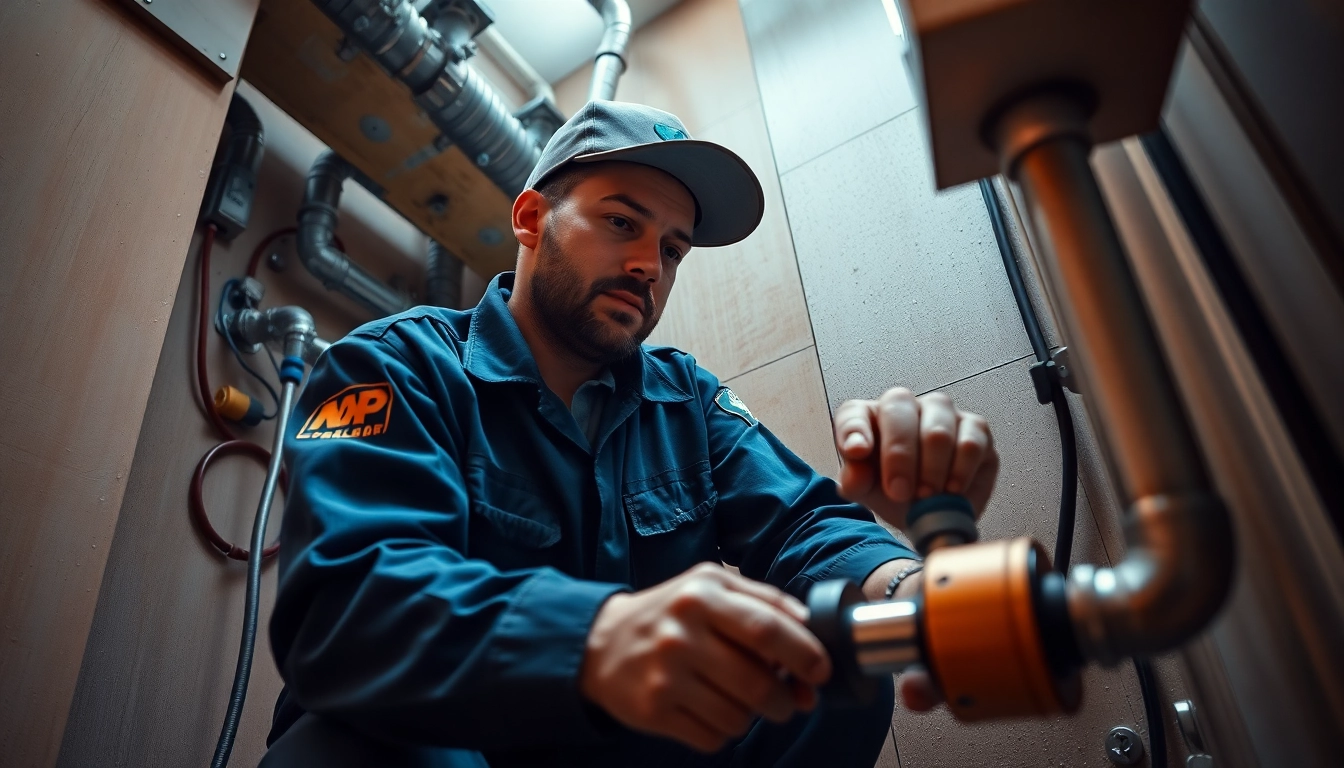
NYC emergency plumber & sewer addressing a burst pipe in an upscale apartment, demonstrating expertise and urgency.

Understanding NYC Emergency Plumbing Needs

The vibrant and bustling city of New York is filled with unique challenges, not least of which are its plumbing needs. With millions of residents, many living in older buildings, plumbing issues can arise at any time. Whether it’s a leaky faucet, a malfunctioning water heater, or a significant sewer backup, knowing when you need a reliable nyc emergency plumber & sewer service can make all the difference in preventing further damage. This article aims to provide a comprehensive understanding of emergency plumbing needs specific to New York City.

What Constitutes an Emergency Plumbing Situation?

An emergency plumbing situation can be defined as any plumbing issue that requires immediate attention to prevent further property damage, health risks, or inconvenience. Common indicators of an emergency include:

  • Severe leaks: A sudden, uncontrollable leak can lead to flooding and significant water damage.
  • Clogged drains: If water backs up in sinks, toilets, or bathtubs, it may indicate a serious blockage.
  • Overflowing toilets: This can create unsanitary conditions and damage your flooring.
  • Gas leaks: If you smell gas, evacuate immediately and call emergency services.
  • No water supply: Sudden loss of water can indicate a broken pipe or a more significant system failure.

Common Emergency Plumbing Issues in NYC

New York City’s plumbing systems are often put to the test due to their age and the high population density. Here are some of the most common emergency plumbing issues:

  • Pipe bursts: Especially during winter, pipes can freeze and burst, leading to immediate flooding.
  • Sewer line backups: This can create hazardous situations and lead to costly repairs.
  • Water heater failures: An unexpected loss of hot water can be especially disruptive during cold months.
  • Leaking faucets: Though seemingly minor, constant leaks can waste significant water and lead to higher bills.
  • Drain clogs: Regular use can lead to clogs that require immediate attention to avoid overflow.

Why Timely Response Matters in Plumbing Emergencies

Addressing plumbing emergencies promptly can save homeowners significant stress and financial costs. Delayed responses can result in:

  • Increased damage: What starts as a small leak can become a major flood if not addressed quickly.
  • Health risks: Standing water can lead to mold growth and other health hazards.
  • Higher repair costs: Emergency repairs are typically more cost-effective when addressed promptly compared to extensive damage repairs.

Choosing the Right NYC Emergency Plumber & Sewer Service

With numerous options available for emergency plumbing services in NYC, it’s crucial to choose a reliable provider. Here are some key qualities to consider when selecting a plumbing service:

Key Qualities of a Trusted Plumbing Service

  • Licensing and insurance: Ensure the plumber is licensed in New York and has the necessary insurance coverage.
  • Experience: Look for a company with a solid track record in emergency services and a good reputation.
  • Transparency in pricing: A reputable plumber will provide clear estimates without hidden fees.
  • Availability: Choose a service provider that operates 24/7 to respond to emergencies whenever they arise.
  • Customer reviews: Check online reviews and testimonials to gauge customer satisfaction and reliability.

Questions to Ask Your Emergency Plumber

Before hiring an emergency plumber, consider asking the following questions to ensure they meet your needs:

  • What is your response time for emergencies?
  • Do you provide written estimates?
  • Are your technicians licensed and insured?
  • What warranties do you offer on your repairs?
  • Can you provide references from previous customers?

How to Verify Licenses and Credentials

In New York City, plumbing licenses are issued by the Department of Buildings. You can verify a plumber’s credentials by:

  • Checking online: Visit the NYC Department of Buildings website to look up licensed plumbers.
  • Requesting documentation: Ask the plumber to provide their license number and proof of insurance.
  • Consulting local reviews: Online platforms such as Yelp or Google Reviews can provide insight into the plumber’s reliability and professionalism.

Emergency Plumbing Procedures: What to Expect

When you call an emergency plumber, knowing what to expect can help ease your concerns. Here’s a typical process for emergency plumbing services:

Initial Assessment of the Plumbing Situation

Upon arrival, the plumber will conduct a comprehensive assessment of the problem. This may include checking for visible leaks, testing faucets and drains, and using specialized tools to diagnose issues. Their expertise allows them to quickly pinpoint the source of the problem and discuss the best course of action with you.

Emergency Plumbing Tools and Techniques

Professional plumbers are equipped with a range of tools to effectively address emergencies, including:

  • Pipe wrenches: Essential for loosening and tightening pipe fittings.
  • Drain snakes: Used to clear stubborn clogs from pipes.
  • Video inspection equipment: Allows plumbers to see inside pipes and locate issues without invasive measures.
  • Plumbing augers: Helps to navigate tricky clogs that standard tools cannot reach.
  • Pressure testers: Used to assess the integrity of plumbing systems.

Post-Repair Steps to Prevent Future Issues

Once repairs are made, plumbers often provide recommendations to avoid similar issues in the future. These may include:

  • Regular maintenance: Schedule routine checks to catch issues before they escalate.
  • Using drain guards: Prevent debris from clogging drains.
  • Knowing your plumbing system: Understand where water shut-off valves are located for quick access during emergencies.
  • Educating household members: Make sure everyone knows how to handle minor issues and when to call for help.

Cost Considerations for NYC Emergency Plumbing Services

Understanding the costs associated with emergency plumbing can help in budgeting for unexpected repairs. Generally, you can expect the following factors to influence the price:

Understanding Emergency Plumbing Pricing Structures

Emergency plumbing costs can vary significantly depending on the issue, time of day, and location within the city. Most companies charge an initial service fee plus hourly rates for labor and materials. Typically, expect to pay:

  • Service call fee: Generally ranges from $50 to $150 just for the plumber to arrive.
  • Hourly labor rates: Can range from $100 to $300, depending on the plumber’s experience and the complexity of the issue.
  • Material costs: Additional charges for parts and materials used in the repair.

Factors That Influence Cost for Emergency Services

Several factors can affect the overall cost of your plumbing emergency:

  • Time of day: Night and weekend calls typically incur higher rates due to increased demand.
  • Location: Some areas may have higher demand for plumbing services, affecting pricing.
  • Severity of the issue: More complex repairs will naturally cost more due to the additional labor and parts needed.
  • Company pricing structure: Different companies have different pricing strategies that can influence total costs.

Budgeting for Unexpected Plumbing Repairs

It’s prudent to set aside an emergency fund for unexpected home repairs, including plumbing. Consider the following guidelines for effective budgeting:

  • Average costs: Research typical costs for common emergency plumbing issues in NYC.
  • Build a fund: Aim to save at least $1,000 for emergency repairs to avoid financial strain.
  • Monthly allocation: Set aside a portion of your monthly budget to gradually build your emergency fund.

Future Trends in Emergency Plumbing Services for NYC

As technology evolves, the plumbing industry is also adapting to better serve customers. Understanding these trends can help you stay informed about the future of plumbing services:

Innovative Technologies in Plumbing Management

Many NYC plumbers are beginning to adopt advanced technologies, such as:

  • Smart home systems: These allow homeowners to monitor water usage and detect leaks in real time.
  • AI and machine learning: Used for predictive maintenance, helping plumbers anticipate problems before they occur.
  • Augmented reality (AR): Enables plumbers to visualize complex systems through AR glasses, improving efficiency during repairs.

Shifts in Consumer Expectations for Prompt Service

As consumer expectations evolve, plumbing services are expected to adapt as well. Today’s customers demand:

  • Faster response times: Consumers expect timely service, often within hours of contacting a plumber.
  • Transparent pricing: Clear and upfront estimates are becoming a standard when hiring plumbing services.
  • High-quality customer service: Polite, professional interactions are expected as part of service delivery.

Preparing for Fiscal Changes Affecting Plumbing Costs

With increasing costs in the plumbing industry, being prepared for potential price increases is crucial. Homeowners should:

  • Keep abreast of industry trends: Understanding what drives price increases can inform your budgeting.
  • Maintain regular maintenance: Routine checks can prevent costly emergencies down the line.
  • Seek multiple quotes: Always compare quotes from different plumbing services to ensure you are getting a fair price for the work needed.